

Nigerian Households Spend $14bn On Fuel – Report
More than 40% of households in Nigeria own and use generators for their daily electricity requirements, data obtained from a power sector report jointly put together by a research firm and a...

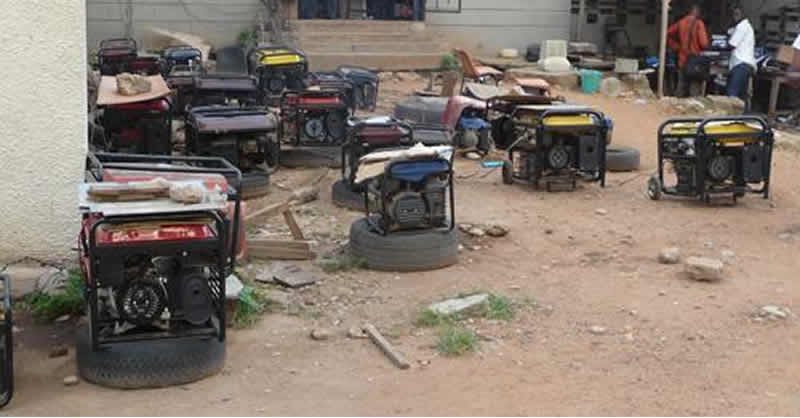
More than 40% of households in Nigeria own and use generators for their daily electricity requirements, data obtained from a power sector report jointly put together by a research firm and a financial institution, has revealed.
The data showed that the impacted households spend about $14bn annually to fuel their generators, due to insufficient power supply from the national grid.
The June 2022 report by Stears and Sterling, titled, “Nigeria’s State of Power: Electrifying the Nation’s Economy,” showed that the high cost spent by households on generators and refueling, negatively impacts the expenses of these households and hinders business growth.
It read in part, “Nigerian households, on average, have electricity in their homes for 15 to 18 hours each day. Of that, 44 per cent (or 6.8 hours) is self-supplied by generators. And this differs by geography. In a state like Taraba, only 19 per cent of households report having electricity.
“Over 40 per cent of Nigerian households own generators, and bear the associated costs. First, the cost of purchasing generators – an estimated $500m between 2015 and 2019, higher than the proposed capital expenditure in Nigeria’s 2022 budget.
“There is also the cost of powering these generators. Sources and estimates vary widely, but the African Development Bank estimated that Nigerians spend $14bn fuelling petrol or diesel powered generators.”
It added, “While PMS (Premium Motor Spirit) or petrol prices have been kept artificially low for the consumers through subsidies, variations in AGO (Automotive Gas Oil) or diesel prices can have a severe impact on households and businesses as Nigerians are currently experiencing.”
Data from the report showed the price of petrol to be more stable due to subsidy payment by the federal government.
“These prices make the small petrol generators more attractive to households and MSMEs (micro, small and medium enterprises), ‘‘ the report stated.
“However, perennial issues like product scarcity make using these generators unreliable as well as expensive.”
Power experts at Stears and Sterling observed that Nigeria had one of the lowest electrification rates in the world.
According to their report, 43% of people in Africa’s most populous country have no access to electricity.
This means that 85 million Nigerians are not connected to – and cannot receive electricity from – the Nigerian transmission grid”.
The report added, “While Nigeria’s electrification rate is above the Sub-Saharan Africa regional average of 47 per cent, it lags significantly behind its peers across the continent and the global average.”
The report stressed that the impact of not having reliable energy could not be overstated, adding that economic losses associated with Nigeria’s energy crisis are estimated at N10tn ($26bn) – the country’s 2022 proposed budgetary revenue and roughly three times what it actually earned in 2020.


No Comment! Be the first one.