






Abia State Enacts Startup Law, Plans to Become South-East Tech and Innovation Hub
Abia State has taken a major step toward positioning itself as a leading technology and innovation hub in Nigeria’s South-East with the enactment of a new startup law and the rollout of plans for an...

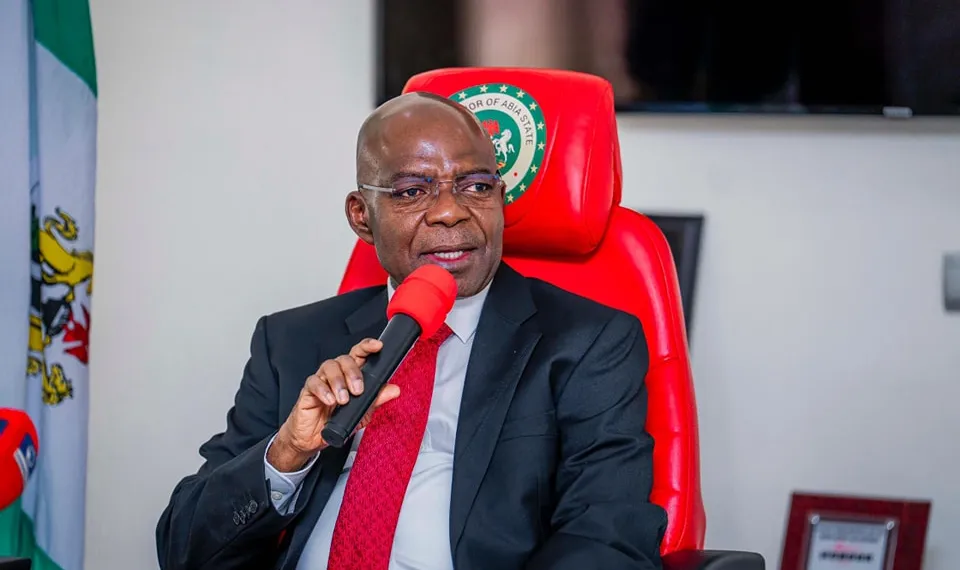
Abia State has taken a major step toward positioning itself as a leading technology and innovation hub in Nigeria’s South-East with the enactment of a new startup law and the rollout of plans for an electric mass transit system.
Governor Alex Otti this week assented to the Abia State Startup Law 2025, a landmark piece of legislation passed by the State House of Assembly to domesticate the Nigerian Startup Act of 2022 at the subnational level. The law provides a legal and regulatory framework to support technology-enabled businesses operating within the state.
The development was announced by the Commissioner for Information, Okey Kanu, while briefing journalists in Umuahia after a meeting of the State Executive Council. He said the new law is designed to drive innovation, attract local and foreign investment, and nurture digital talent as Abia seeks to diversify its economy beyond traditional sectors.
“The law applies to companies with major operations in Abia and startups duly recognised and labelled under the national Act,” Kanu said.
Building a Startup-Friendly Ecosystem
By domesticating the national Startup Act, Abia joins a growing list of states seeking to create structured, investor-friendly environments for technology startups. The framework is expected to support entrepreneurs through clearer regulation, improved access to opportunities, and stronger alignment with federal innovation policies.
Officials say the move is part of a broader strategy to position Abia as a destination for technology, digital services, and innovation-driven enterprises in the South-East.
Electric Buses to Power Clean Urban Transport
Alongside the startup initiative, the state government is advancing plans for a state-owned electric mass transit system under the Abia Transport Transformation Project.
According to Kanu, the first phase of the programme will see the deployment of about 100 electric buses, with an initial batch of 20 vehicles already delivered in November. Another 20 buses are expected early next year.
Each bus, with a seating capacity of 40 passengers, is custom-built for Abia State and can travel up to 400 kilometres on a single charge. The vehicles are equipped with modern safety and comfort features, including surveillance cameras, charging ports, disability access, emergency exits, and fire extinguishers.
If fully implemented, the initiative would place Abia among the first states in Nigeria to adopt electric buses for public transportation, reflecting growing interest in cleaner energy solutions amid rising fuel costs and environmental concerns.
Other Key Initiatives
Beyond technology and transport, the commissioner outlined additional projects approved by the Executive Council. He said the state will unveil its Abia 25-Year Development Plan on Tuesday at the International Conference Centre in Umuahia, with development partners, traditional rulers, and local government officials expected to attend.
In the health sector, the Abia Global Medical Mission commenced on Monday and will run through December 20, offering free advanced medical services at designated centres across the state.
On digital skills development, Kanu announced that 850 young people will graduate this weekend from the second cohort of the Abia Techrise ICT Training Programme, bringing the total number trained in 2025 to nearly 1,400.
As the festive season approaches, the state government said road rehabilitation works are ongoing, while security agencies have been placed on heightened alert to ensure the safety of residents and visitors.
SEO Keywords: Abia State Startup Law, Abia technology hub, South East Nigeria innovation, electric buses in Nigeria, Alex Otti tech policy, Abia digital economy.



No Comment! Be the first one.