







Global Debate: Should Governments Ban Under-16s from Social Media?
A growing global conversation is reshaping how societies think about children and the internet: should governments ban under-16s from social media altogether? The question has gained urgency...

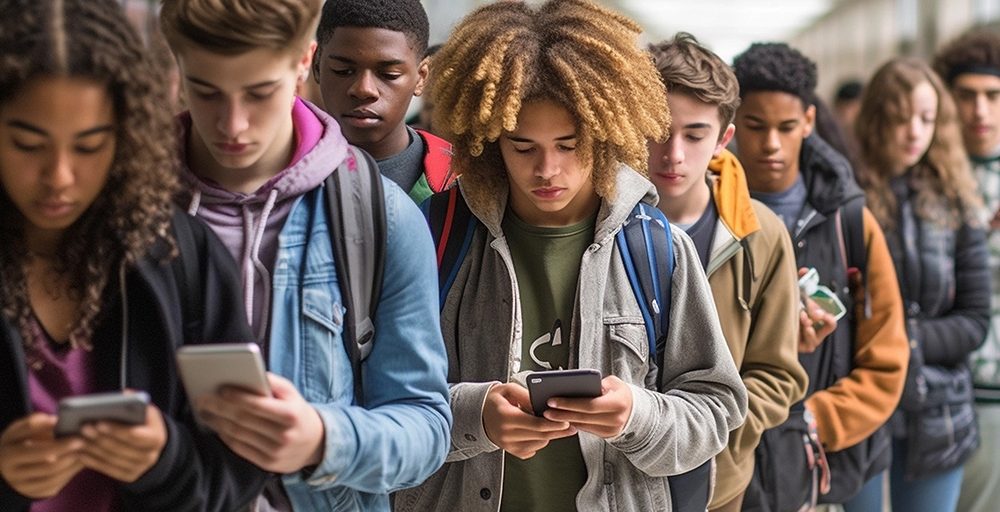
A growing global conversation is reshaping how societies think about children and the internet: should governments ban under-16s from social media altogether?
The question has gained urgency following a call by Bill Ready, CEO of Pinterest, who argues that today’s platforms are fundamentally unsafe for young users.
In an opinion piece published in The Times, Ready warned that social media platforms are not designed with children in mind. Instead, they are built to maximise engagement—keeping users online for as long as possible.
While many companies comply with regulations, Ready stressed that legal compliance does not guarantee safety, especially for teenagers still developing emotionally and psychologically.
“As both a tech CEO and a parent, I know legal compliance is not the same as safety,” he noted, adding that current systems often prioritise screen time over well-being.
The Case for a Ban
Supporters of stricter rules argue that banning under-16s could significantly reduce exposure to:
Cyberbullying and online harassment
Harmful or addictive content
Unrealistic social comparisons
Contact with strangers
Excessive screen time
Research from Ipsos and Pew Research Center shows that parents are increasingly worried about their children’s digital lives.
Meanwhile, Jonathan Haidt, author of The Anxious Generation, found that nearly half of Gen Z respondents wish some social media platforms didn’t exist—highlighting deep dissatisfaction among young users themselves.
Another concern is the rapid integration of artificial intelligence into social platforms. AI-driven recommendations and chatbots can shape behaviour, emotions, and identity—often without users fully realising it.
For adolescents, who are still forming their sense of self, this influence can be especially powerful and potentially harmful.
The Case Against a Ban
Critics, however, argue that a blanket ban may be:
Difficult to enforce, as teens could bypass restrictions
Overly restrictive, limiting access to educational and social opportunities
Counterproductive, pushing young users to less regulated platforms
They suggest that better regulation, digital literacy, and parental controls may be more practical than outright bans.
What Countries Are Doing
Despite the debate, several governments are already moving ahead with restrictions:
Australia implemented a ban on under-16s using major social platforms in December 2025.
Indonesia has announced similar plans.
Denmark is preparing restrictions for under-15s.
France has passed legislation targeting younger users, with backing from Emmanuel Macron.
In Nigeria, the government has also begun consultations on potential age limits, seeking input from parents, educators, and digital experts.
Nigeria Joins the Conversation
The Nigerian Ministry of Communications, Innovation, and Digital Economy recently launched a public poll to shape future policy. The aim is to strike a balance between protecting children from online harm and preserving the benefits of internet access.
So, Should Governments Ban Under-16s?
There is no easy answer.
What is clear, however, is that the risks associated with social media are no longer theoretical. As platforms evolve—and technologies like AI deepen their influence—the pressure on governments to act is intensifying.
Whether through outright bans or stricter regulations, one thing is certain: the status quo is being challenged like never before.



No Comment! Be the first one.