Device Checker: NCC Lists 5 Types of Phones and Devices That Could Stop Working in Nigeria
New device verification framework targets counterfeit, cloned and unapproved equipment, including smartphones, tablets and POS terminals, as NCC urges Nigerians to check device status before buying.
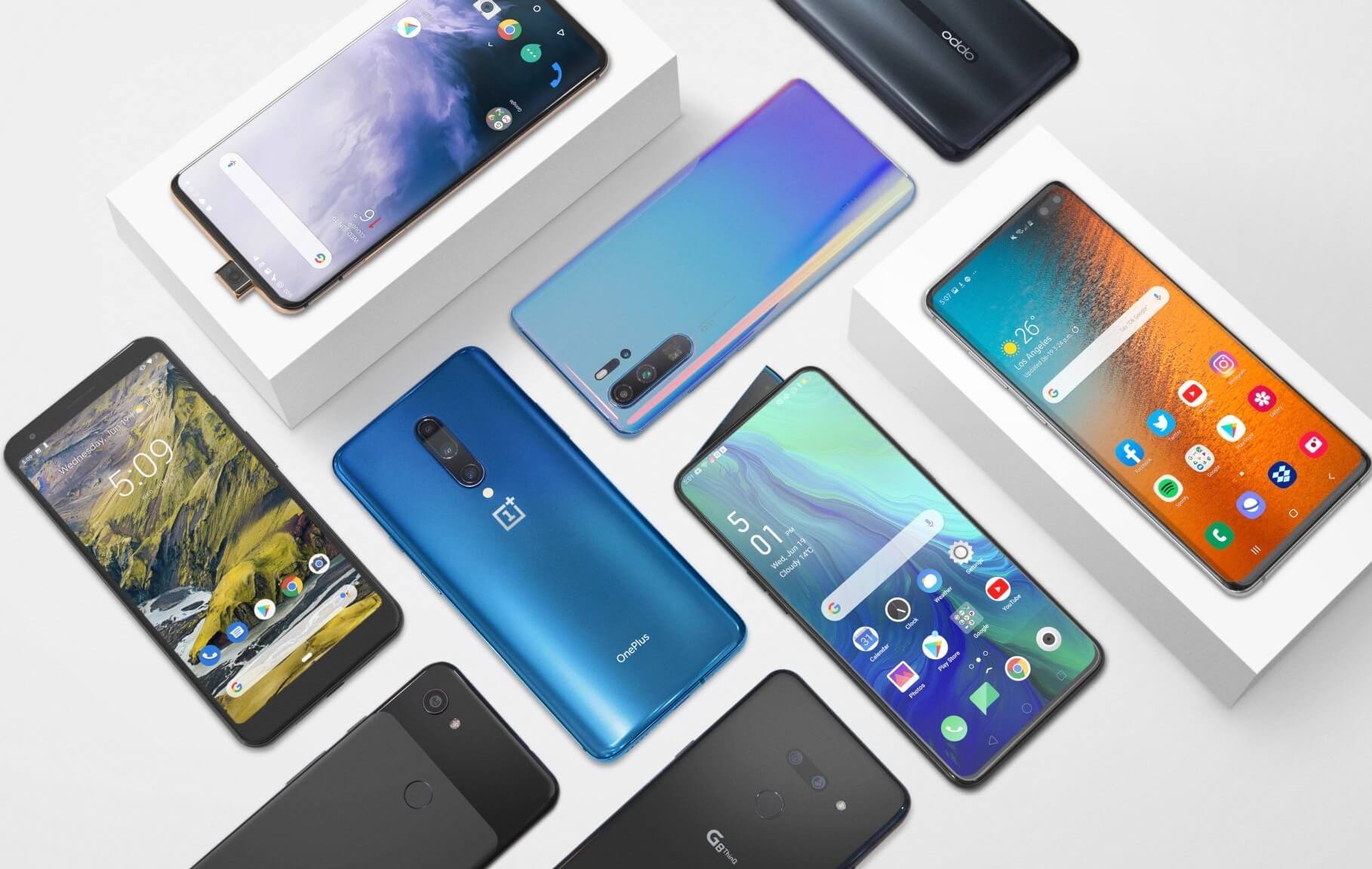
The Nigerian Communications Commission (NCC) has introduced an enhanced device verification system that could prevent certain unapproved mobile phones and other connected devices from accessing telecommunications networks in Nigeria.
The framework, which took effect on October 7, 2026, is designed to strengthen compliance with existing technical standards, tackle counterfeit and cloned devices, protect consumers and improve the integrity of Nigeria's telecommunications infrastructure.
Under the initiative, devices that fail to meet applicable regulatory requirements could be denied access to Nigerian mobile networks.
The NCC's device verification framework covers five broad categories of communications equipment, extending beyond conventional mobile phones to include other SIM-enabled devices used for internet connectivity and electronic payments.
However, the commission has clarified that phones already connected to Nigerian mobile networks before the framework took effect were automatically verified. Most existing users therefore do not need to take any additional action.
Five Types of Phones and Devices That Could Be Affected
1. Smartphones
Smartphones that do not meet the NCC's applicable type-approval and device verification requirements could face network restrictions.
The category covers modern mobile phones used for calls, messaging, internet access, digital payments and other connected services.
The regulatory framework is intended to prevent counterfeit, cloned and non-compliant devices from operating on Nigerian networks.
2. Basic Mobile Phones
Basic or feature phones, including devices primarily used for calls and text messages, are also covered.
Although these phones may not offer the advanced capabilities of smartphones, they must still meet the applicable regulatory standards for devices connecting to Nigerian mobile networks.
Devices found to be non-compliant could be denied network access.
3. SIM-Enabled Tablets and Laptops
Tablets and laptops equipped with cellular connectivity are also covered by the verification framework.
Unlike Wi-Fi-only devices, these products can use SIM cards to connect directly to mobile networks for internet access.
Their inclusion reflects the growing use of cellular-connected computers and tablets for business, education, remote work and digital services.
Devices in this category must satisfy the applicable NCC requirements before they can be used on Nigerian mobile networks.
4. Internet of Things (IoT) Devices
The framework also extends to eligible Internet of Things (IoT) devices that use cellular networks.
These include connected equipment designed to exchange information over mobile networks, such as cellular-enabled routers and other compatible connected devices.
As Nigeria expands its digital infrastructure, the verification of connected equipment is becoming increasingly important for network reliability, device identification and security.
The NCC's requirements apply to eligible cellular-connected IoT equipment, rather than every internet-connected product.
5. SIM-Enabled Point-of-Sale (POS) Terminals
SIM-enabled POS terminals used by merchants, retailers and businesses to process electronic payments are also covered.
These devices rely on mobile connectivity to communicate with payment processors and financial service providers.
A POS terminal that fails to meet applicable approval and verification requirements could lose access to Nigerian mobile networks, potentially disrupting its ability to process transactions through cellular connectivity.
The requirement makes device compliance an important consideration for businesses purchasing or deploying payment terminals.
Why the NCC Is Introducing Device Verification
According to the NCC, type approval is an existing regulatory requirement intended to ensure that communications equipment meets the technical standards required for use in Nigeria.
The commission is strengthening enforcement through an electronic verification system that helps establish whether a device model has been approved and whether a particular device is verified for use on local networks.
The framework is also intended to address concerns involving counterfeit phones, cloned International Mobile Equipment Identity (IMEI) numbers and equipment that could undermine network performance.
An IMEI is a unique 15-digit identification number assigned to a mobile device that connects to a cellular network.
Cloned devices may use an IMEI associated with another legitimate device, complicating identification and creating potential security and consumer-protection concerns.
The NCC has also advised Nigerians to pay particular attention when buying fairly used phones, as a device's previous use does not automatically guarantee that its verification status is satisfactory.
Will Your Current Phone Stop Working?
The NCC has clarified that devices already connected to Nigerian mobile networks before October 7, 2026, were automatically verified under the framework.
Consequently, most Nigerians using existing phones do not need to take any additional steps.
The commission has also explained that consumers purchasing devices from local Nigerian sellers are not expected to obtain type approval themselves. Responsibility for meeting the applicable regulatory requirements rests primarily with manufacturers, importers, suppliers and other businesses placing the devices on the market.
However, devices that cannot be verified or are confirmed to violate applicable requirements may face restrictions.
The NCC cautions that an unsuccessful verification result does not automatically mean a device is counterfeit. Users experiencing problems should contact their seller, mobile network operator or the commission for clarification.
How to Check Your Phone Before Buying
The NCC has introduced a Device Checker service that allows consumers to verify whether a device has received the required approval and is verified for use on Nigerian mobile networks.
Consumers can check a device by following these steps:
*Dial 315#: Use the NCC's Device Checker USSD service and follow the instructions.
Check the official portal: Visit the NCC's Device Checker page at ncc.gov.ng/devicechecker.
Find the IMEI if required: Dial *#06# on the device to display its 15-digit IMEI. Some devices have more than one IMEI.
Verify before paying: When purchasing a new or second-hand phone, confirm its status before completing the transaction.
Seek Assistance When Necessary:
If a device cannot be verified, contact the seller, your mobile network operator or the NCC for guidance.
The commission advises consumers to use only its official verification channels and avoid disclosing one-time verification codes to sellers, callers or other individuals.
What This Means for Nigeria's Digital Economy
The NCC's strengthened device verification framework comes as mobile connectivity continues to underpin Nigeria's digital economy, including electronic payments, online commerce, remote work, digital education and connected business services.
By enforcing existing technical standards, the regulator aims to improve device accountability, reduce the circulation of counterfeit and cloned equipment, and strengthen confidence in the telecommunications infrastructure on which millions of Nigerians depend.
For consumers, the immediate priority is to understand that the directive does not mean every phone in Nigeria is about to stop working.
Instead, the framework focuses on compliance with existing device approval requirements and verification for access to local mobile networks.
For prospective buyers, particularly those purchasing fairly used phones, checking a device's status before payment is a prudent step that could help prevent avoidable problems.
TechTV's takeaway
Before buying your next phone, verify its status through the NCC's official Device Checker. For users whose devices are already working on Nigerian networks, the commission says automatic verification means most will not need to take further action.


Comments (0)
No comments yet. Be the first to join the conversation!
Leave a Reply
Your email address will not be published. Required fields are marked *