
Mark Zuckerberg Appeals Court Ruling Over Facebook, Instagram Ad Tracking in Nigeria
Mark Zuckerberg’s Meta is challenging a Nigerian court ruling restricting how it tracks users for targeted advertising, putting data privacy, user consent and digital advertising practices back in the spotlight.
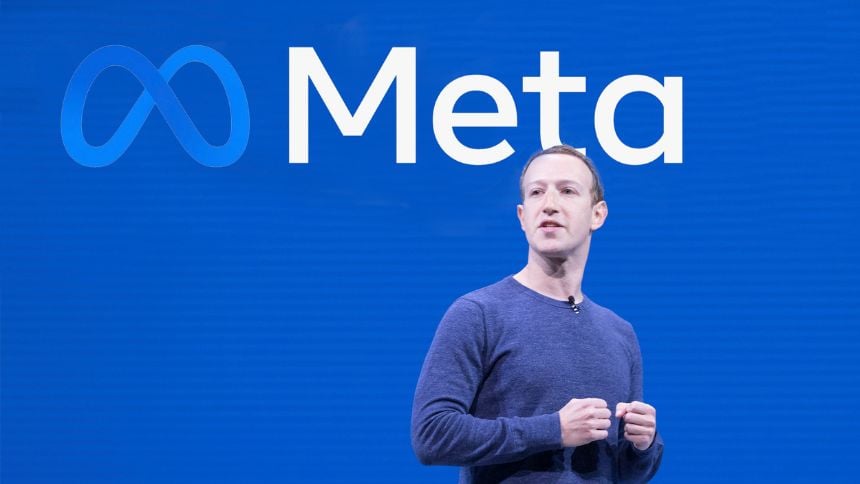
Meta has taken its legal battle over user data and targeted advertising in Nigeria to the Court of Appeal, challenging a Lagos High Court ruling that restricted how it can track and profile users of Facebook and Instagram for behavioural advertising.
The appeal follows a September 25 judgment in which the Lagos High Court ruled against Meta’s data-processing practices and ordered the company to stop processing and profiling Nigerians’ personal data for behavioural advertising without a lawful basis.
The court also awarded the applicants the naira equivalent of $100,000 in general damages, as well as ₦1 million in costs.
At the heart of the dispute is whether Meta can make behavioural tracking and personalised advertising effectively compulsory for people using its platforms.
The applicants argued that Meta collected, analysed and profiled their personal information for targeted advertising without obtaining valid consent.
Meta, however, maintained that users’ acceptance of its terms and privacy policy provided a legal basis for processing their data.
The High Court rejected that position, drawing a distinction between data processing necessary to operate Facebook and Instagram and the profiling of users specifically for behavioural advertising.
THE RULLING THEREFORE RAISES A WIDER QUESTION FOR THE DIGITAL ECONOMY: does agreeing to a platform’s terms of service automatically mean consenting to extensive personal-data profiling for advertising?
Meta’s appeal will now ask the Court of Appeal to reconsider the legal interpretation adopted by the High Court.
The case also touches on broader issues surrounding the processing and transfer of Nigerian users’ personal data, as global technology companies face increasing regulatory scrutiny over privacy, consumer protection and digital rights.
For Meta, the outcome could have implications for how it operates its advertising-driven platforms in Nigeria.
For users, the case could help determine how much control Nigerians have over the use of their personal information and whether access to popular digital platforms can be tied to behavioural advertising consent.
WHY IT MATTERS
THIS IS BIGGER THAN META
The case could shape the rules governing targeted advertising and personal-data processing across Nigeria’s digital economy.
If the High Court’s position is upheld, technology platforms may have to rethink how they obtain consent, explain data practices and design advertising systems for Nigerian users.
It could also strengthen the principle that using a digital service does not automatically mean surrendering unlimited rights to personal data.
As Nigeria’s digital economy expands, the balance between free digital services, advertising revenue and users’ privacy rights is becoming increasingly important.





Comments (0)
No comments yet. Be the first to join the conversation!
Leave a Reply
Your email address will not be published. Required fields are marked *