
Reps Summon MTN, Airtel, Glo CEOs Over Poor Network Quality
The House of Representatives has given telecom operators, including MTN, Airtel, Globacom and Mafab Communications, until October 28 to explain persistent network failures, warning that chief executives who fail to appear could face arrest summons.
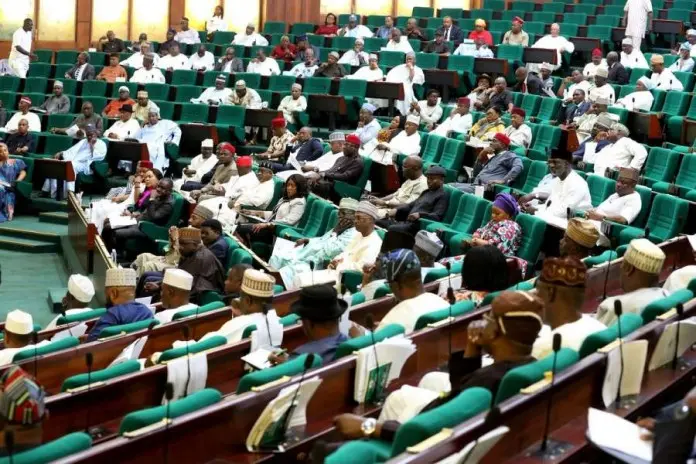
The House of Representatives has summoned the chief executive officers of major telecommunications operators in Nigeria over persistent poor network quality, giving them seven days to explain the service disruptions affecting subscribers and businesses nationwide.
The House Ad Hoc Committee investigating the quality of telecommunications services directed the CEOs of MTN Nigeria, Airtel Nigeria, Globacom (Glo), Mafab Communications and other service providers to appear before it on October 28, 2026.
The directive followed a public hearing in Abuja on Wednesday, October 21, after lawmakers expressed dissatisfaction with the failure of some operators, including MTN and Mafab Communications, to honour previous invitations.
The committee also directed the Nigerian Communications Commission (NCC) to ensure that the affected companies comply with the summons and submit relevant documents ahead of the hearing.
The operators are expected to appear at 2 p.m. in Hearing Room 447 of the New Building of the National Assembly Complex, Abuja, to explain the factors responsible for persistent service disruptions and outline measures to improve network performance.
The lawmakers warned that chief executives who fail to honour the invitation could face a summons for arrest to compel their appearance.
Reps Demand Answers From Telecom CEOs
Chairman of the committee, Olumide Osoba, said telecommunications services had become indispensable to Nigeria's economy, extending beyond voice calls and internet access to critical commercial activities, including point-of-sale (POS) transactions.
He noted that businesses, financial transactions and other essential services depend heavily on reliable telecommunications networks, making persistent service disruptions a matter of national concern.
Osoba explained that the committee was established to investigate recurring subscriber complaints and identify the factors responsible for poor service delivery across the country.
He also criticised the practice of invited executives offering excuses or sending lower-ranking officials to represent their companies, insisting that the chief executives should personally account for their organisations' operational challenges and service delivery commitments.
According to the committee, the executives are expected to explain the difficulties affecting their networks and detail the steps being taken to address subscribers' complaints.
Lawmakers Warn Against Ignoring Summons
Another committee member, Ibe Osonwa, criticised the operators for allegedly failing to honour legislative invitations despite the substantial revenue they generate from the Nigerian market.
Osonwa maintained that telecommunications companies had a responsibility to account for the quality of services delivered to their customers, particularly given the impact of network failures on millions of Nigerians.
He warned that the House would not overlook attempts to frustrate its investigation.
The committee's directive places renewed pressure on telecom operators to explain persistent complaints about dropped calls, unstable internet connections and disruptions to digital transactions.
The October 28 hearing is expected to provide lawmakers with an opportunity to question the operators directly about the causes of poor network quality and their plans to improve service reliability.
Why It Matters
Poor telecommunications service is no longer just an inconvenience for subscribers. It can disrupt digital payments, online businesses, banking transactions, remote work and access to essential digital services.
For small businesses that depend on mobile networks and POS terminals, connectivity failures can mean lost sales, delayed payments and frustrated customers.
The hearing also raises questions about accountability in a sector that has become central to Nigeria's digital economy.
The outcome could influence further regulatory scrutiny and pressure operators to demonstrate measurable improvements in network quality.
For millions of subscribers, the critical issue is whether the investigation will translate into more reliable calls, faster internet connections and fewer failed transactions.



Comments (0)
No comments yet. Be the first to join the conversation!
Leave a Reply
Your email address will not be published. Required fields are marked *