

Africa’s Best-Performing Currencies in November 2025
African currencies closed November 2025 with varied outcomes, as only a few managed to post notable gains against the U.S. dollar amid persistent global monetary tightening. The month’s FX movements...

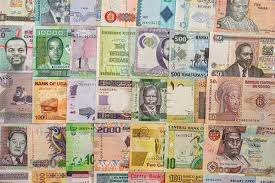
African currencies closed November 2025 with varied outcomes, as only a few managed to post notable gains against the U.S. dollar amid persistent global monetary tightening.
The month’s FX movements reflected how global monetary conditions, commodity prices, and regional policy coordination continue to shape currency resilience across the continent. Despite global uncertainty, several African currencies strengthened in November, buoyed by improved external inflows, better trade performance, and sector-specific recoveries.
From mineral-driven economies to regional monetary unions, November’s currency performance highlighted a key trend: countries with stronger policy discipline and robust export momentum recorded the best FX outcomes.
Nigeria’s naira, which gained 3.4% in October to become one of the month’s top performers, reversed in November, depreciating by 1.36% against the U.S. dollar.
Below are the best-performing African currencies in November 2025, ranked by their appreciation against the U.S. dollar.
1. Seychellois Rupee (SCR): –8.67%
The SCR led the continent’s FX rankings in November, reflecting Seychelles’ firm monetary oversight, strong tourism inflows, and improved foreign reserves. The island nation continues to benefit from disciplined macroeconomic management and steady service-sector earnings.
2. Liberian Dollar (LRD): –3.22%
November Close: 177.60/$ | October: 183.50/$
The Liberian Dollar appreciated strongly, driven by increased confidence following the rollout of digital transparency reforms in mid-2025. Seasonal diaspora remittances and higher donor inflows improved FX supply.
The Central Bank of Liberia’s tighter monetary controls and clampdown on speculative trading also helped stabilize the currency. Despite structural vulnerabilities, the LRD’s gains reflect firmer policy discipline and improved liquidity heading into year-end.
3. West African CFA Franc (XOF): –2.16%
November Close: 565/$ | October: 577.50/$
The XOF appreciated on the back of a stronger euro as Eurozone inflation cooled and monetary conditions improved. Stable regional policy under the BCEAO and solid export performance across UEMOA economies supported the currency’s rise.
Key contributors included:
Benin & Togo: Strong port-driven trade flows
Côte d’Ivoire & Mali: Higher cocoa and gold prices
Burkina Faso & Niger: Steady agricultural and mineral inflows
Senegal: Strong tourism and services
Guinea-Bissau: Cashew exports and renewed political stability
The XOF’s performance underscores the value of regional monetary discipline and commodity-backed earnings.
4. Eswatini Lilangeni (SZL): –1.29%
November Close: 17.10/$ | October: 17.33/$
The Lilangeni strengthened in tandem with the South African Rand due to their one-to-one peg. Eswatini benefited from subdued inflation, rising SACU revenue expectations, and strong exports in sugar and beverage concentrates.
Monetary tightening within the region also helped support short-term currency gains.
5. Lesotho Loti (LSL): –1.28%
November Close: 17.11/$ | October: 17.33/$
Mirroring the Rand, the Loti appreciated through the CMA peg mechanism. Seasonal remittance inflows improved liquidity, while easing domestic inflation—driven by stable energy prices and lower food imports—boosted FX stability.
6. Namibian Dollar (NAD): –1.21%
November Close: 17.11/$ | October: 17.32/$
Investor optimism around Namibia’s green hydrogen megaprojects helped strengthen the NAD. The currency also mirrored ZAR gains due to their peg. Increased revenues from diamond and uranium exports contributed to a healthier FX environment.
The Bank of Namibia maintained a tight monetary stance to counter ongoing global volatility.
7. South African Rand (ZAR): –1.08%
November Close: 17.11/$ | October: 17.30/$
The Rand recorded moderate gains as markets reacted positively to fiscal consolidation commitments outlined in the Medium-Term Budget Policy Statement.
Improved mining output—especially in platinum group metals—and reduced load-shedding levels bolstered business sentiment. A weaker U.S. dollar index later in the month further supported the ZAR.



No Comment! Be the first one.