







From Free Transfers to IPO Pressure: What OPay’s Wall Street Move Means for You
Nigerian fintech giant OPay is preparing for a major leap onto Wall Street, with plans for a US IPO that could value the company at $4 billion—double its 2021 valuation. Backed by SoftBank, OPay has...

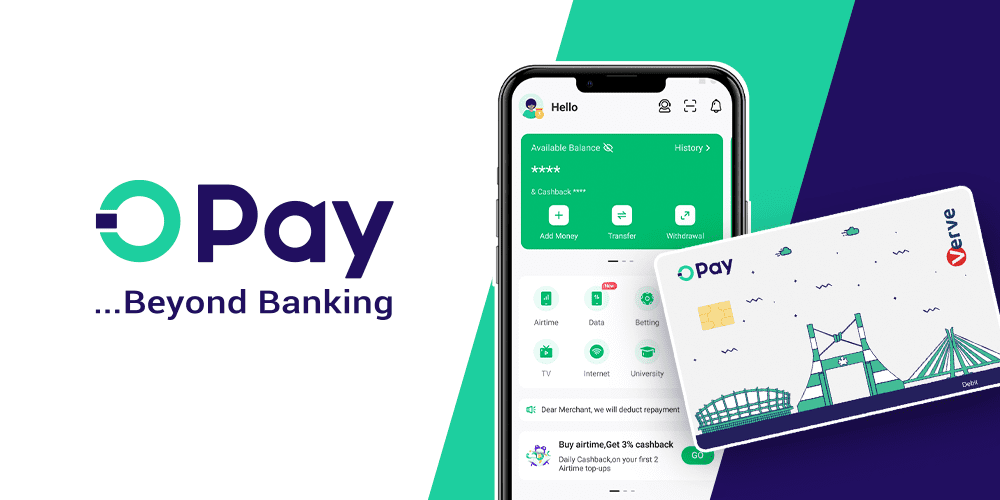
Nigerian fintech giant OPay is preparing for a major leap onto Wall Street, with plans for a US IPO that could value the company at $4 billion—double its 2021 valuation.
Backed by SoftBank, OPay has reportedly hired Citigroup, Deutsche Bank, and JPMorgan Chase to lead the listing, which could happen before the end of 2026.
It’s a milestone moment for Nigeria’s tech ecosystem. But for over 50 million users, the real question is simpler:
What happens to your transaction fees?
From okadas to fintech dominance
Founded in 2018 by Yahui Zhou, OPay didn’t start as a fintech powerhouse.
It began with ride-hailing and logistics—those green OPay motorcycles once common across Lagos. But after the 2020 government ban on commercial motorcycles, the company pivoted aggressively into financial services.
That pivot paid off.
Today, OPay:
Serves 50+ million users
Processes ~$12 billion monthly transactions
Operates 500,000+ agents nationwide
Generated $614.8 million revenue in 2025 (up 28%)
Why the IPO matters
Going public changes everything.
Right now, OPay can prioritise growth—offering free or ultra-cheap transfers to attract users. But once listed, it will face pressure from investors focused on:
Revenue per user
Profit margins
Quarterly performance
And when those numbers fall short, companies typically turn to the easiest lever: fees.
Will fees increase?
There’s no official word from OPay yet. But early signals suggest shifts may already be happening.
Some users have recently reported:
New VAT charges per transaction
Fees on transfers that were previously free
Nothing has been formally announced—but the timing raises questions.
The balancing act
OPay faces a delicate trade-off:
Raise fees → risk losing users
Keep fees low → risk disappointing investors
And competition is fierce. Rivals like PalmPay, Moniepoint, and Kuda are all chasing the same price-sensitive customers.
This competition may be the only thing keeping fees in check.
The Opera factor
There’s another layer to this story.
Opera—the company that incubated OPay—still owns 9.5% of the fintech.
That stake is now worth nearly $300 million, and its rising value has significantly boosted Opera’s earnings.
In simple terms:
OPay’s IPO isn’t just about growth—it’s also about giving early investors a way to cash out.
What happens to your data?
An IPO also means transparency—but with trade-offs.
When OPay files with the US Securities and Exchange Commission, it will have to disclose:
Active vs registered users
Revenue per user
Business segments like lending
Data usage practices
That raises another key question:
Will your financial data be used more aggressively to drive revenue?
OPay already understands user behaviour deeply—income patterns, spending habits, savings trends. Post-IPO, that data could become central to:
Lending decisions
Product pricing
Potential partnerships with third parties
The bigger picture
There are two possible futures here:
Positive scenario:
More transparency
Better regulation
Stronger, more reliable services
Cautionary scenario:
Gradual fee increases
Subtle monetisation of user data
Pressure-driven decisions from investors
And most likely, reality will sit somewhere in between.
OPay’s Wall Street move could redefine Nigeria’s fintech landscape—but for everyday users, the real impact won’t be in the headlines.
It will show up quietly… in the fees you pay, the data you share, and the choices you still have.



No Comment! Be the first one.