Digital Gender Gap Persists as Only 49% of Nigerian Women Own Smartphones
Nigeria’s digital economy continues to expand rapidly, driven by technological innovation, growing internet penetration, and the increasing digitisation of economic and social activities. Yet,...

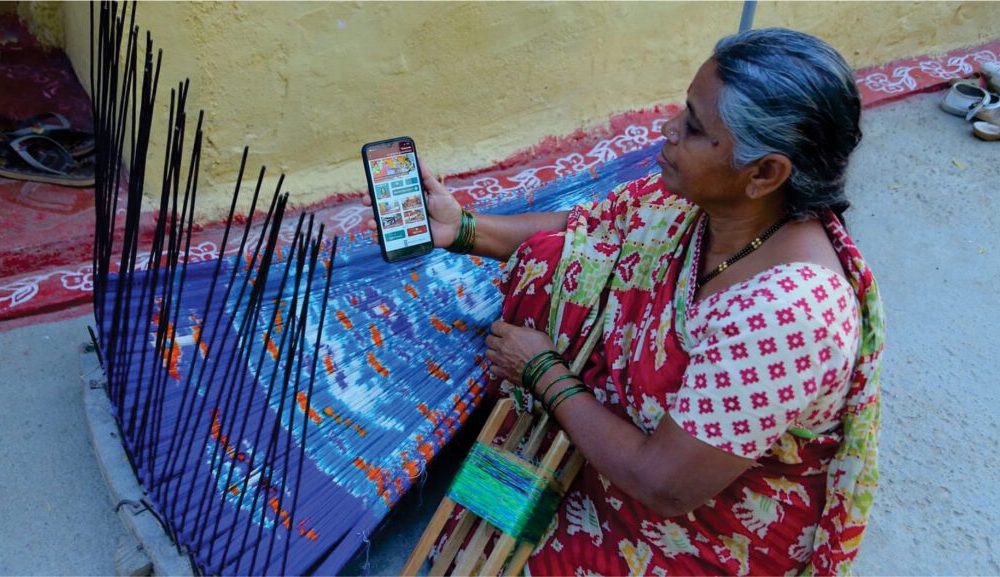
Nigeria’s digital economy continues to expand rapidly, driven by technological innovation, growing internet penetration, and the increasing digitisation of economic and social activities. Yet, beneath this progress lies a persistent challenge: the mobile gender gap.
According to the GSMA Mobile Gender Gap Report 2025, only 49% of Nigerian women own a smartphone, compared to 59% of men, leaving an 18% gender gap in smartphone ownership.
The disparity becomes even more pronounced when it comes to internet access. While smartphone ownership has improved, women continue to lag behind in mobile internet adoption. The report found that only 42% of women use mobile internet, compared to 56% of men, resulting in a 28% adoption gap.
The findings suggest that even when women own smartphones, they are less likely to access or fully utilize internet services than their male counterparts.
Digital Exclusion Remains a Reality for Many Women
The challenge is particularly acute among women with low incomes, limited literacy, disabilities, and those living in rural communities.
In today’s increasingly connected world, access to a smartphone is no longer a luxury. It is a gateway to education, financial services, healthcare information, employment opportunities, e-commerce, and social connectivity.
The continued gender disparity highlights broader inequalities that limit women’s participation in the digital economy and restrict access to life-changing opportunities.
Bridging this gap is therefore not only a social imperative but also an economic one. Ensuring equal access to digital tools and connectivity can help accelerate national development, strengthen digital literacy, and unlock greater participation in the technology-driven economy.
A Global Challenge Beyond Nigeria
Nigeria’s experience reflects a wider trend across low- and middle-income countries (LMICs).
The GSMA report estimates that more than 3.2 billion people in LMICs access the internet via mobile devices. However, women remain significantly underrepresented.
Globally, 64% of women in LMICs own smartphones, while only 55% use mobile internet services.
While progress has been recorded, the gender gap remains substantial. The global mobile internet gender gap narrowed slightly to 12% in 2025, continuing a gradual improvement that began in 2022.
Between 2017 and 2020, the gap declined significantly from 25% to 16%, partly due to increased digital adoption during the COVID-19 pandemic. However, economic challenges and structural inequalities slowed progress in subsequent years.
The report notes that women are now adopting smartphones at a slightly faster rate than men, contributing to a gradual narrowing of the divide.
Sub-Saharan Africa and South Asia have been key drivers of this improvement. In Sub-Saharan Africa, the mobile internet gender gap fell from 30% in 2024 to 26% in 2025. In South Asia, it dropped from 33% to 25% over the same period.
Yet the challenge remains immense. Approximately 230 million women in Sub-Saharan Africa and 330 million women in South Asia still lack access to mobile internet services.
Globally, more than 849 million women in developing countries do not own a mobile phone, making them 14% less likely than men to own a handset.
Awareness Does Not Always Lead to Adoption
One of the key findings of the report is that awareness of mobile internet services is no longer the primary problem.
Across many developing countries, awareness levels among women are approaching those of men. However, awareness alone does not guarantee adoption.
Several barriers continue to prevent women from fully participating in the digital ecosystem.
Income and Affordability
Income remains one of the most significant obstacles to smartphone ownership and internet use.
Women often face greater financial constraints due to lower earnings, limited access to economic opportunities, and long-standing social inequalities. For many households, purchasing a smartphone or maintaining regular internet access remains financially challenging.
Literacy and Digital Skills
Educational disparities also contribute significantly to the digital divide.
Limited literacy and inadequate digital skills reduce confidence in using smartphones and online services. In many communities, girls still face barriers to educational opportunities, creating long-term disadvantages that affect digital participation later in life.
Lower Usage Frequency
The report also found differences in how men and women use mobile internet services.
Men are more likely to access the internet daily, while women tend to engage less frequently and use a narrower range of online services. For both genders, communication and entertainment remain the most common use cases, but women are generally less active across broader digital activities.
Safety and Security Concerns
Personal security concerns also play a role.
Many women perceive smartphones as increasing their vulnerability to theft, robbery, and online risks. In regions experiencing heightened insecurity, safety concerns can discourage smartphone ownership and mobile internet use.
More Than Just a Device
Despite these challenges, mobile connectivity remains one of the most powerful tools for empowering women.
Access to smartphones and mobile internet can strengthen resilience during economic shocks, improve access to financial services, support education, and create pathways to entrepreneurship and employment.
The GSMA report found that women who use mobile internet overwhelmingly report positive impacts on their lives, often to the same degree as men.
The economic benefits of closing the gender gap are equally significant.
According to GSMA, narrowing the mobile gender gap could generate approximately $230 billion in additional revenue for the global mobile industry by 2030.
Furthermore, closing the mobile internet adoption gap across developing countries could contribute an estimated $1.3 trillion in additional GDP over the same period.
As Nigeria continues its digital transformation journey, ensuring that women are not left behind will be critical to building a more inclusive, innovative, and prosperous digital future.