NCC Reviews Telecom Interconnection Charges as Industry Dynamics Shift
The Nigerian Communications Commission (NCC) has commenced a comprehensive review of Mobile Termination Rates (MTR), marking the first major reassessment of Nigeria’s wholesale telecom pricing...

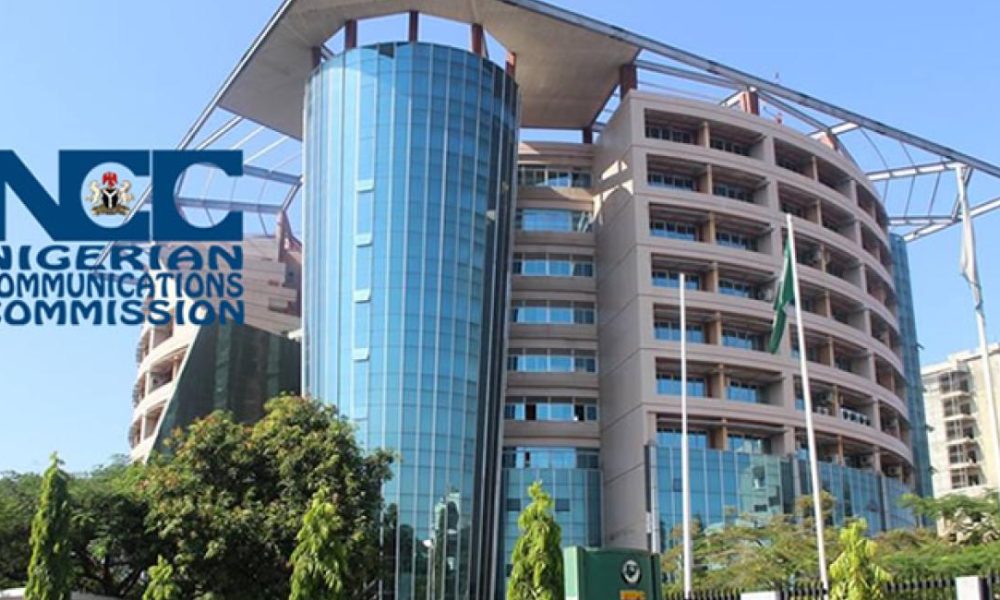
The Nigerian Communications Commission (NCC) has commenced a comprehensive review of Mobile Termination Rates (MTR), marking the first major reassessment of Nigeria’s wholesale telecom pricing framework since the current rates were introduced in 2018.
The review process was officially launched during a stakeholders’ consultative forum held in Lagos, underscoring the regulator’s commitment to ensuring that interconnection pricing remains aligned with the country’s evolving economic, technological, and competitive realities.
Understanding Mobile Termination Rates
Mobile Termination Rates are wholesale charges paid by one telecommunications operator to another for terminating calls on a different network.
In Nigeria, these rates are regulated by the NCC to promote fair competition, prevent anti-competitive practices, encourage investment, and protect consumers from excessive retail pricing.
According to the Commission, MTRs serve as a critical component of the wholesale interconnection framework and have a direct impact on retail tariffs, network investment, service quality, and the long-term sustainability of the telecommunications sector.
Existing Rates No Longer Reflect Market Realities
Speaking during the forum, the NCC’s Head of Competition and Tariff, Mrs. Omotayo Mohammed, stated that the current termination rates no longer adequately reflect prevailing industry conditions.
The existing rates are:
Generic operators: ₦3.90 per minute
New entrants: ₦4.70 per minute (asymmetric rate designed to support market entry)
Last review conducted: 2018
According to Mohammed, the rates have remained unchanged despite significant shifts in operating costs, technological advancement, and market structure.
She warned that outdated termination rates could create competitive distortions, discourage investment, and potentially increase costs for consumers.
“These rates have remained unchanged for nearly a decade despite significant changes in the operating environment,” she noted.
Key Drivers Behind the Review
The NCC is undertaking the review in partnership with KPMG Nigeria, citing several major developments that have transformed the telecommunications landscape since the last review.
Macroeconomic Pressures
Nigeria’s economic environment has changed considerably, with naira depreciation, rising inflation, and escalating energy costs significantly affecting operators’ capital and operational expenditures.
Technological Evolution
The rapid deployment of 5G networks, growing adoption of Artificial Intelligence (AI), and expansion of Internet of Things (IoT) services have altered network traffic patterns and cost structures beyond the assumptions used in the 2018 pricing model.
Market Disruption
The increasing popularity of Over-The-Top (OTT) communication platforms such as WhatsApp and Telegram, alongside the emergence of Mobile Virtual Network Operators (MVNOs), has fundamentally changed traditional voice traffic dynamics and interconnection patterns.
Scope of the MTR Review
The review is being conducted under Sections 4, 96, 97, and 108 of the Nigerian Communications Act 2003, which empower the NCC to promote investment, ensure fair competition, and safeguard consumer interests.
Key areas under consideration include:
Development of a cost-reflective MTR framework across multiple technology generations and operator categories
Review of asymmetric pricing arrangements between dominant operators and new entrants
Creation of an interconnection pricing framework for Mobile Virtual Network Operators (MVNOs)
Assessment of International Termination Rates (ITR) to combat grey-route traffic
Review of USSD pricing and Application-to-Person (A2P) SMS services, which have become increasingly important to Nigeria’s digital economy
The consultancy exercise is expected to run for approximately four months and will follow an evidence-based and highly consultative approach.
Expected Impact on Competition and Consumers
According to the Commission, the review is designed to deliver several benefits across the telecommunications ecosystem.
These include:
Promoting Fair Competition
Ensuring that dominant operators do not use wholesale pricing advantages to suppress competition or limit market entry.
Protecting Consumers
Reducing wholesale pricing distortions that could ultimately translate into higher retail charges for subscribers.
Encouraging Infrastructure Investment
Creating a cost-reflective framework that enables operators to recover investments while continuing to expand network coverage and improve service quality.
Supporting Digital Economy Growth
Enhancing affordability and connectivity while strengthening digital financial services, enterprise communications, and broader digital inclusion initiatives.
Mohammed assured stakeholders that the NCC would maintain transparency throughout the process by making available its methodology, assumptions, and cost model parameters.
Stakeholder Collaboration Critical to Success
Closing the forum, the NCC’s Director of Public Affairs, Mrs. Nnenna Ukoha, described the MTR review as one of the Commission’s most significant public consultations due to its far-reaching implications for operators, investors, consumers, and the wider digital economy.
She commended industry stakeholders for their active participation and encouraged continued submissions of data, perspectives, and recommendations throughout the review process.
“The complexity of MTR determination underscores the need for sustained stakeholder collaboration as we work toward a resilient, inclusive, and future-ready telecommunications sector,” Ukoha said.
The outcome of the review is expected to shape Nigeria’s telecommunications pricing framework for years to come, influencing competition, investment decisions, consumer affordability, and the overall trajectory of the country’s digital transformation agenda.