





South Africa Withdraws AI Policy Draft Over Fake References
South Africa has withdrawn its Draft National Artificial Intelligence Policy after authorities discovered that the document contained fake, AI-generated references, raising serious concerns about...

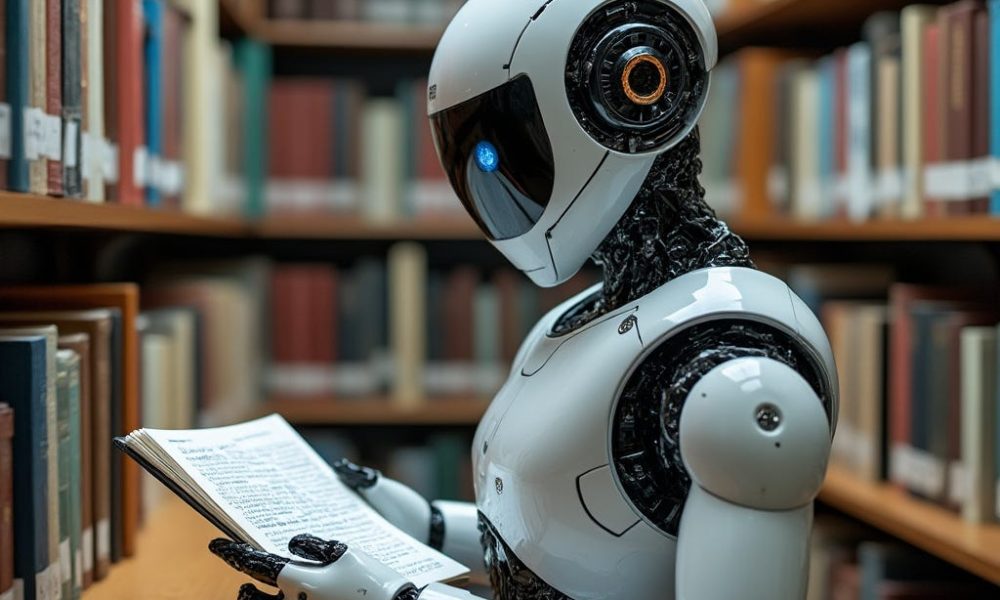
South Africa has withdrawn its Draft National Artificial Intelligence Policy after authorities discovered that the document contained fake, AI-generated references, raising serious concerns about credibility and oversight.
The country’s Minister of Communications and Digital Technologies, Solly Malatsi, announced the decision in a statement on Sunday, describing the lapse as a major breach of trust in a policy meant to guide the nation’s digital future.
What went wrong
According to the minister, an internal review was triggered after questions were raised about the sources cited in the draft policy. The probe confirmed that multiple references were fictitious.
Malatsi said the issue goes beyond a simple error.
“This failure is not a mere technical issue but has compromised the integrity and credibility of the draft policy,” he stated.
AI under scrutiny
The minister pointed to unverified AI-generated citations as the most likely cause of the problem, highlighting the growing risks of relying on artificial intelligence without proper checks.
“The most plausible explanation is that AI-generated citations were included without proper verification. This should not have happened,” Malatsi said.
He added that the incident reinforces the need for strong human oversight when deploying AI tools, especially in public sector decision-making.
Accountability and next steps
The South African government says it is taking the matter seriously, with disciplinary actions expected for officials involved in drafting and quality assurance.
The policy withdrawal could also delay the country’s efforts to establish a formal framework for regulating artificial intelligence, as parts of the consultation process may now need to be restarted.
Backstory
The controversy follows a report by News24, which identified at least six questionable references in the document.
Experts cited in the report linked the issue to AI hallucinations—a known problem where AI systems generate convincing but false information.
Why it matters
South Africa is one of the leading African countries working on a national AI policy, at a time when adoption of the technology is accelerating across sectors.
In Nigeria, Minister of Communications, Innovation and Digital Economy, Bosun Tijani, recently disclosed that the country’s own AI strategy is complete and awaiting legislative approval.
As governments race to regulate artificial intelligence, South Africa’s setback highlights a critical lesson: AI can support policymaking—but it cannot replace human accountability.



No Comment! Be the first one.