

How Telecoms Added 8.3% to Nigeria’s GDP in 2025
Nigeria’s telecommunications industry contributed 8.3% to the country’s Real Gross Domestic Product (GDP) in 2025, up from 8.1% in 2024, according to the latest GDP report released by the National...

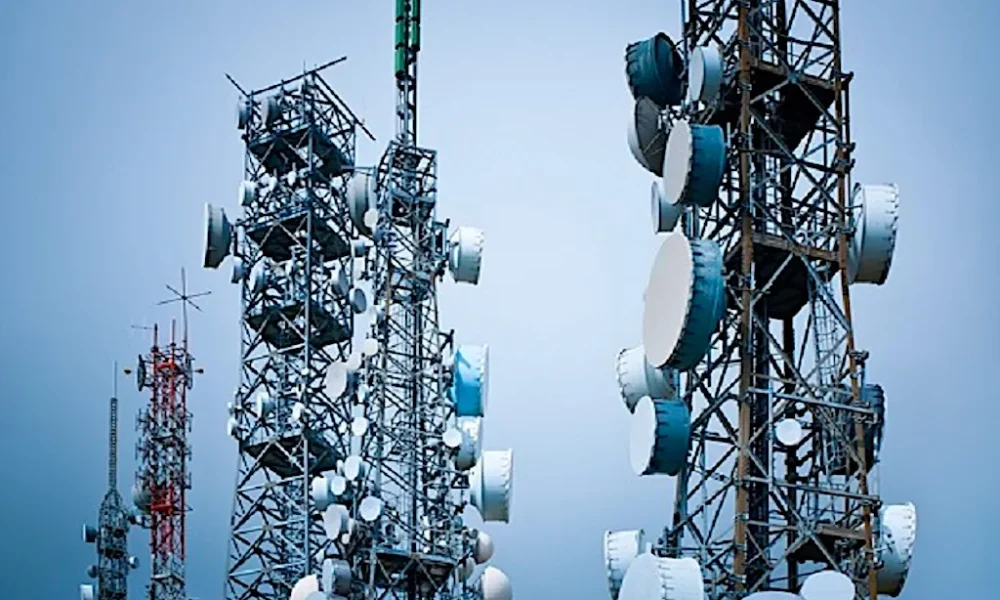
Nigeria’s telecommunications industry contributed 8.3% to the country’s Real Gross Domestic Product (GDP) in 2025, up from 8.1% in 2024, according to the latest GDP report released by the National Bureau of Statistics (NBS) for Q4 2025.
The 0.2 percentage-point increase highlights the sector’s sustained expansion and its growing importance to Nigeria’s economic structure.
Quarterly Breakdown: When Telecoms Peaked in 2025
Telecoms recorded its highest quarterly contribution in Q2 2025, accounting for:
9.2% of GDP (₦4.7 trillion)
Followed by Q1: 8.5% (₦4.2 trillion)
Q4: 8.1%
Q3: 7.7% (lowest for the year)
In monetary terms, the sector contributed ₦18.5 trillion in 2025, up from ₦17.2 trillion in 2024, reflecting both scale and resilience.
Telecoms Dominates the ICT Sector
Telecoms remains the backbone of Nigeria’s Information and Communication sector.
In 2025, the broader ICT sector contributed:
10.1% of GDP (₦22.3 trillion)
Within that:
Telecoms: 81.5% (₦18.5 trillion)
Broadcasting: 10.2% (₦2.3 trillion)
Motion Pictures, Sound & Recording: 6.7% (₦1.5 trillion)
Publishing: 1.6% (₦36.9 billion)
However, telecoms’ share within ICT slightly declined from 82.3% in 2024 to 81.5% in 2025, suggesting marginal diversification across the sector.
Nigeria’s Overall GDP Performance
Nigeria’s real GDP grew:
4.07% year-on-year in Q4 2025, up from 3.98%
3.85% for the full year 2025, compared to 3.34% in 2024
The telecoms sector remains one of the fastest-growing contributors to this expansion.
What Fueled Telecom’s 8.3% GDP Contribution?
The sector’s performance reflects strong demand recovery following a turbulent 2024.
1. Surge in Data Consumption
148 million internet users
1.4 million terabytes of data consumed in December 2025 alone
Active subscriptions climbed to nearly 180 million, up by 14.7 million in 2025
Broadband penetration rose to 51.97%, crossing the halfway mark (though below the 70% national target)
The rising demand for mobile data continues to be the primary growth engine.
2. Massive Infrastructure Investments
The Nigerian Communications Commission (NCC) revealed several large-scale deployments in 2025:
90,000km fibre-optic backbone (Project Bridge)
2,800 new telecom towers
Over $1 billion invested in fibre cables and telecom sites
These upgrades expanded coverage, improved network quality, and supported broadband penetration growth.
3. Aggressive Expansion by Major Telcos
Leading operators ramped up capital expenditure and network expansion:
MTN Nigeria
Investment surged to ₦1 trillion in 2025, up from ₦443.5 billion in 2024
Reported turnaround from a ₦400 billion loss in 2024 to ₦1.1 trillion profit after tax
Globacom
Deployed new base stations
Expanded fibre backbone
Rolled out hybrid battery power systems
Airtel Nigeria
Secured a Direct-to-Cell partnership with Starlink
Expanded fibre footprint by 25%
More than doubled active 5G sites
Reported 52.2% revenue growth to $1.13 billion (9 months ending December 2025)
Why Telecoms Remains Critical to Nigeria’s Economy
Telecommunications now powers:
Digital banking and fintech
E-commerce and online retail
Remote work and education
Entertainment streaming and content creation
SME digital transformation
As Nigeria deepens its digital economy, telecom infrastructure serves as the foundation for broader economic growth.
Final Takeaway
Telecoms’ 8.3% contribution to Nigeria’s real GDP in 2025 signals more than industry growth — it reflects structural transformation.
With rising data consumption, increased broadband access, aggressive infrastructure investment, and a rebound in profitability, the sector has cemented its position as one of Nigeria’s most strategic economic drivers.
If infrastructure rollout and broadband expansion continue at this pace, telecoms’ share of GDP could rise even further in 2026.


No Comment! Be the first one.