
40,000-Tower Gap Threatens Nigeria's 2027 Data Localisation Ambition – IHS
Nigeria has approximately 40,000 telecom towers against an estimated requirement of 80,000, while frequent fibre cuts and unreliable electricity threaten the country's digital infrastructure readiness ahead of the January 1, 2027 payment data localisation deadline. IHS Nigeria is calling for urgent investment in telecommunications infrastructure, fibre protection and dedicated power solutions.

Nigeria needs approximately 40,000 additional telecommunications towers, stronger fibre-optic networks and more reliable electricity supply to support its data localisation ambitions and sustain the growth of its digital economy, IHS Nigeria has warned.
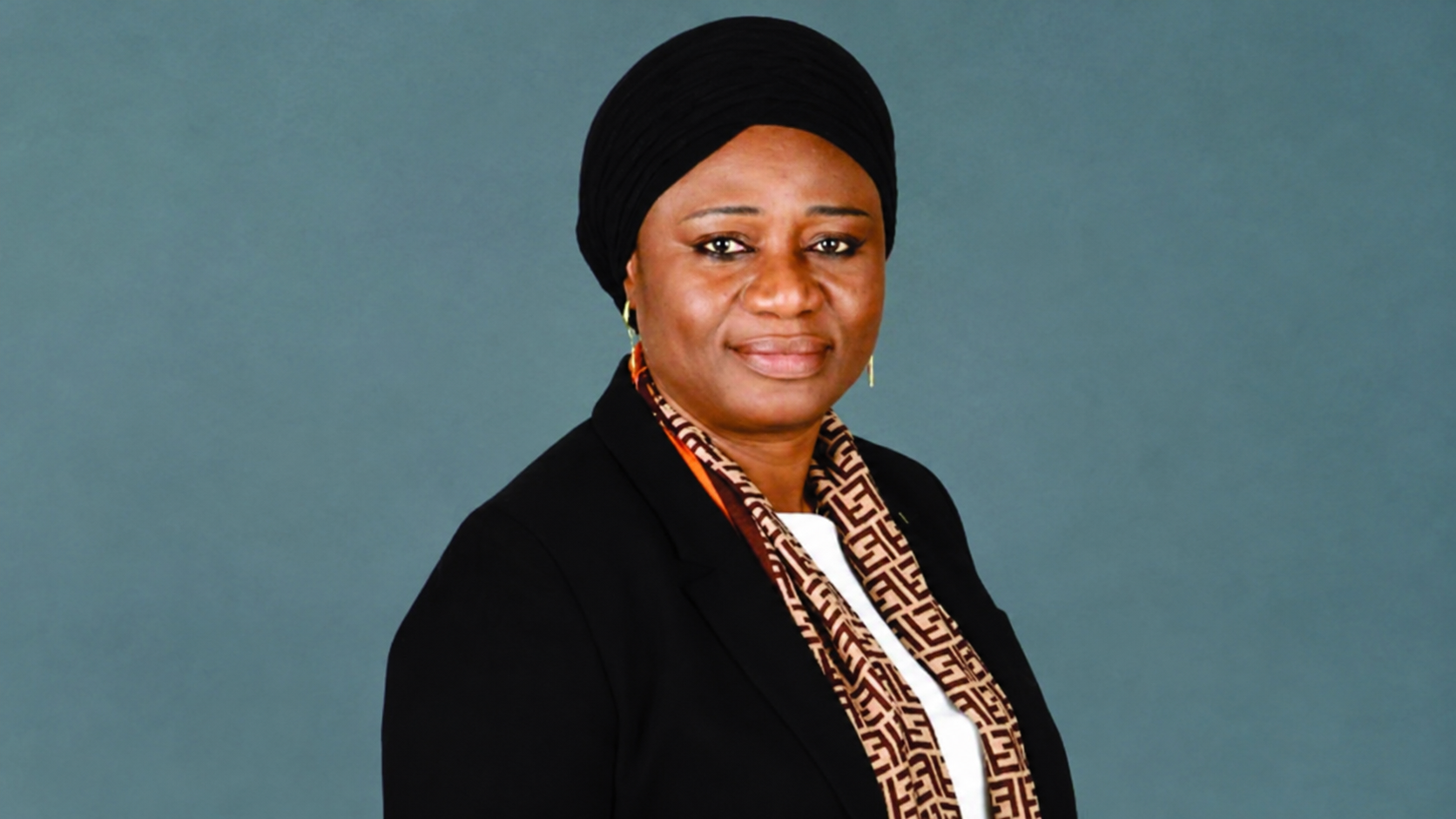
Hammed Adebayo, Associate Director, Energy Management at IHS Nigeria, said the country's digital infrastructure remained inadequate to support the increasing volume of electronic transactions, cloud computing and data centre operations expected ahead of the January 1, 2027 payment data localisation deadline.
Speaking at the TechTV Digital Economy & Energy CEO Roundtable 2026 in Lagos, Adebayo said Nigeria's data localisation ambition would remain difficult to achieve without addressing weaknesses across the telecommunications and energy infrastructure that transport and sustain digital services.
He explained that payment data do not move directly from users into data centres but pass-through interconnected infrastructure involving mobile devices, telecommunications towers, fibre networks and electricity systems.
"A payment starts on someone's phone, passes through a tower, travels over fibre and only then reaches a data centre. Every layer depends on the other, and if one link fails, the payment fails," he said.
Adebayo identified a significant deficit in telecommunications infrastructure, disclosing that Nigeria currently has approximately 40,000 telecommunications towers, against an estimated requirement of 80,000 to achieve wider coverage and improve service delivery.
He also raised concerns about fibre infrastructure, particularly frequent fibre cuts, which he said occur at an estimated average of one every 18 minutes, increasing operational costs and contributing to network disruptions.
He called for stronger protection of telecommunications infrastructure, improved coordination with road construction companies and communities, and harmonised right-of-way charges to accelerate fibre deployment across states.
On electricity, Adebayo described unreliable power supply as one of the biggest threats to Nigeria's digital infrastructure ambitions.
He disclosed that the telecommunications industry spends an estimated ₦696 billion annually on energy to sustain network operations, largely because operators must rely on alternative power sources to complement unreliable grid supply.
He advocated dedicated power solutions for telecommunications towers and data centres, including gas-powered generation using compressed natural gas (CNG), liquefied petroleum gas (LPG) and liquefied natural gas (LNG), alongside other alternative energy sources.
The IHS executive also highlighted the need to distribute data centre infrastructure more strategically across the country, warning that geographical concentration could expose critical digital services to disruptions.
With approximately 25 data centres currently operating in Nigeria, he called for greater geographical diversification supported by reliable connectivity and electricity.
Adebayo further identified inadequate investment as a major constraint, noting that telecommunications attracted less than 0.1 per cent of foreign capital inflows into Nigeria.
He attributed investors' concerns to currency instability, diesel costs, infrastructure vandalism, security risks and regulatory uncertainties.
To address the challenges, he called for stronger enforcement of critical national infrastructure protection measures, simplified fibre deployment processes and access to long-term financing through pension funds and infrastructure investment funds.
His position reinforces the argument that data localisation cannot succeed through data centre construction alone but requires an integrated infrastructure ecosystem capable of delivering uninterrupted connectivity and power.
The roundtable, organised by TechTV, brought together stakeholders from the technology, telecommunications, energy, financial services and security sectors to examine the infrastructure and investment requirements of Nigeria's 2027 digital economy.
Why it Matters:
Nigeria's data localisation ambitions cannot succeed through data centre investments alone. Reliable connectivity, adequate telecom towers and sustainable electricity are essential to securing digital payments, financial services and the country's growing digital economy.


Comments (0)
No comments yet. Be the first to join the conversation!
Leave a Reply
Your email address will not be published. Required fields are marked *