October Shutdown Looms as Bolt, inDrive Drivers Demand 10% Cap
AUATON says rising fuel, maintenance, insurance, financing and other operating costs are squeezing drivers, as it pushes for lower commissions, fare reviews, greater pricing transparency and stronger welfare protections.
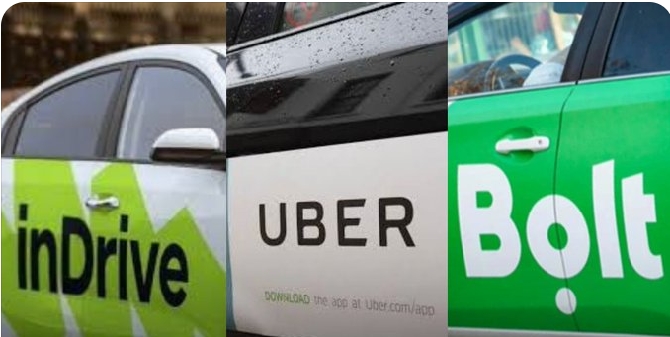
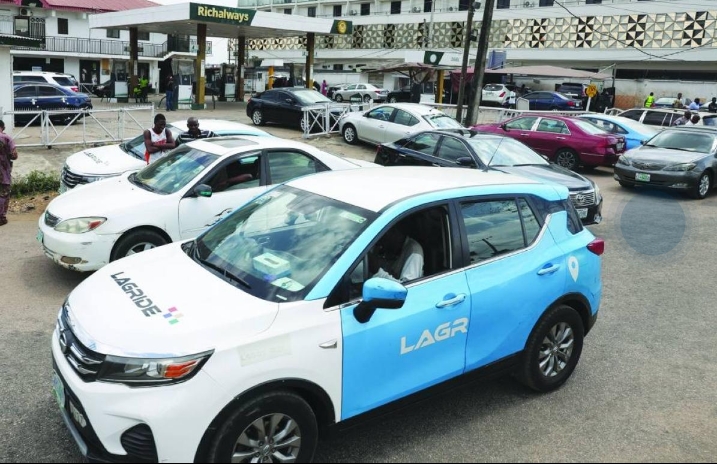
A fresh dispute is brewing in Nigeria’s e-hailing sector as the Amalgamated Union of App-based Transporters of Nigeria (AUATON) plans a major protest in October, with drivers in Lagos threatening to withdraw services from Bolt and inDrive over fares, commissions and operating costs.
The union’s Lagos State Council, in a statement signed by its Chairman, Jaiyesimi Azeez, said the proposed “Mega Shutdown” is intended to draw attention to the economic pressures facing app-based drivers and push Bolt and inDrive into negotiations with driver representatives.
At the centre of the dispute is AUATON’s demand that platform commissions be reduced to no more than 10 per cent, subject to negotiations and greater transparency around additional charges and deductions.
The union is also demanding a comprehensive review of fares to reflect the cost of operating vehicles in Lagos, including fuel, maintenance, insurance, vehicle financing, data subscriptions, government levies, traffic delays and waiting time.
Drivers Seek Greater Earnings Transparency
Beyond commission rates, AUATON is calling for clearer information about how each trip is priced and how much drivers ultimately receive.
The union wants platforms to provide transparent breakdowns covering passenger fares, driver earnings, commissions, discounts, promotional deductions, other charges, trip distance and duration.
It also wants significant changes to fares, commissions, subscriptions and other financial terms to be preceded by meaningful consultation with driver representatives.
Welfare and Safety Also on the Table
The demands extend beyond earnings.
AUATON is seeking stronger welfare structures for drivers, including health insurance, accident support, emergency assistance, retirement and social protection initiatives.
The union is also calling for improved rider verification, including consideration of NIN-linked identity verification, subject to Nigeria’s privacy and data-protection requirements, as part of measures to address impersonation, fraud, robbery and other safety concerns.
Bolt Commission Currently at 20%
The commission dispute comes as Bolt’s official Nigerian driver guide states that the platform charges a 20 per cent commission on the final price per order in Nigeria. Bolt says the commission applies to both cash and card rides and cancellation fees, while excluding tips, bonuses and certain additional fees.
AUATON’s proposed 10 per cent ceiling would therefore represent a substantial reduction from Bolt’s published rate.
The situation is different across platforms, with reported commission structures varying by operator and service model. This has made fare levels, platform deductions and drivers’ actual take-home earnings an increasingly important part of the debate.
Uber Exit Adds New Pressure
The latest confrontation comes weeks after Uber ended its Nigerian ride-hailing operations on September 2, 2026, after 12 years in the market.
The exit has shifted additional attention toward remaining platforms, particularly Bolt and inDrive, while some former Uber drivers have moved to competing services.
Earlier reports indicate that some drivers have subsequently complained about weaker earnings amid lower fares and operating-cost pressures.
For Lagos commuters, the proposed October action could mean fewer available vehicles and longer waiting times if significant numbers of drivers participate.
However, the announcement itself does not establish how extensive any eventual disruption will be.
Local Platforms Being Considered
AUATON also says it intends to engage credible Nigerian mobility platforms that could provide alternative opportunities for drivers during the industrial action.
However, the union says local ownership alone would not be enough. Potential platforms would be assessed on fares, commission structures, welfare, safety, payment transparency, customer support, data protection, dispute resolution and regulatory compliance.
The union has nevertheless indicated that it remains open to negotiations with Bolt and inDrive, suggesting the planned shutdown is intended to pressure the platforms toward measurable changes rather than simply remove drivers from the apps.
The October action could therefore become a significant test for Nigeria’s evolving platform economy placing questions of driver earnings, platform commissions, digital transparency, worker welfare and the sustainability of app-based mobility at the centre of the e-hailing debate.


Comments (0)
No comments yet. Be the first to join the conversation!
Leave a Reply
Your email address will not be published. Required fields are marked *