Lagos E-Hailing Drivers Declare Indefinite Strike Over Low Fares
Drivers under AUATON have withdrawn services from Bolt and inDrive over fare structures, platform commissions, rising operating costs and welfare concerns, raising the prospect of disruption for commuters across Lagos.
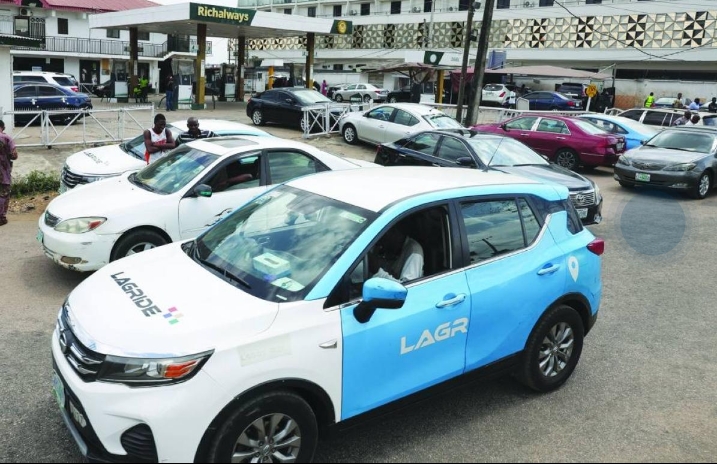
E-hailing drivers in Lagos State have commenced an indefinite strike over disputed fare structures, platform commissions and worsening operating conditions, escalating tensions between app-based transport workers and ride-hailing companies.
The industrial action, which began on Monday, October 12, was announced by the Lagos State Council of the Amalgamated Union of App-Based Transporters of Nigeria (AUATON), which called on drivers operating on Bolt and inDrive to withdraw their services until progress is made towards resolving their grievances.
According to the union, the strike follows repeated concerns about driver earnings, operating expenses, platform deductions, safety and welfare, which it says remain inadequately addressed.
AUATON maintains that rising fuel prices, vehicle maintenance costs, insurance, financing obligations, data subscriptions and other operational expenses have placed increasing pressure on drivers, making it difficult for many to sustain their businesses under existing fare arrangements.
Drivers Demand Fare Review, Lower Commissions
At the centre of the dispute is the union's demand for a comprehensive review of fares to reflect the actual cost of operating vehicles in Lagos.
AUATON is also seeking a reduction in platform commissions to a maximum of 10 per cent, subject to negotiations, alongside greater transparency in trip pricing, deductions and drivers' take-home earnings.
The union argues that drivers need clearer breakdowns of passenger fares, platform charges, promotional deductions and other fees to understand how their earnings are calculated.
Beyond remuneration, the demands include improved welfare provisions, stronger safety measures and greater consultation with drivers before significant changes are made to platform policies and commercial terms.
The union has urged drivers to remain united and peaceful throughout the industrial action.
Bolt Offers to Engage Drivers' Union
The strike comes amid growing pressure on ride-hailing platforms to address concerns about the economic sustainability of app-based transportation.
Bolt has acknowledged the concerns raised by AUATON, including driver earnings, operating costs, platform charges, transparency and welfare.
The company has proposed a roundtable discussion with the union and driver representatives, expressing its willingness to explore practical solutions through constructive engagement.
Bolt has also encouraged drivers to continue providing services while discussions are pursued.
However, the specific position of inDrive on the strike and the union's demands was not established in the reports available at the time of publication.
Potential Impact on Lagos Commuters
The indefinite withdrawal of drivers could affect the availability of app-based transport across Lagos, potentially resulting in longer waiting times and fewer ride options for commuters if participation is widespread.
Businesses and residents who rely on ride-hailing services for daily movement may also experience inconvenience as the dispute unfolds.
The scale of the disruption will depend on the level of driver participation and whether negotiations between the union and the affected platforms produce a breakthrough.
The strike also comes weeks after Uber ended its operations in Nigeria on September 2, 2026, following 12 years in the market, leaving drivers and passengers with fewer major international ride-hailing platforms to choose from.
A Test for Nigeria's Digital Mobility Economy
The dispute highlights wider questions about the sustainability of platform-based work in Nigeria's evolving digital economy.
For drivers, the central issue is whether earnings from app-based transportation can adequately cover fuel, vehicle financing, maintenance and other operating costs while providing a sustainable livelihood.
For ride-hailing companies, the challenge is to balance commercial viability, competitive pricing, passenger affordability and the interests of drivers who provide the vehicles and labour that underpin their services.
With the strike now underway, attention is turning to whether dialogue between AUATON and the platforms can produce an agreement on fares, commissions and working conditions.
Until then, Lagos commuters may have to contend with reduced availability of e-hailing services as the dispute continues.


Comments (0)
No comments yet. Be the first to join the conversation!
Leave a Reply
Your email address will not be published. Required fields are marked *