
The Top 10 Most Indebted States in Nigeria
Nigeria’s subnational debt landscape underwent a dramatic shift in 2024, as the total debt stock of the 36 states fell by a substantial 32.32%, dropping from ₦5.86 trillion in 2023 to ₦3.97 trillion in 2024, according to fresh data from the Debt Management Office (DMO). This steep decline highlights a new wave of fiscal discipline, […]
Nigeria’s subnational debt landscape underwent a dramatic shift in 2024, as the total debt stock of the 36 states fell by a substantial 32.32%, dropping from ₦5.86 trillion in 2023 to ₦3.97 trillion in 2024, according to fresh data from the Debt Management Office (DMO).
This steep decline highlights a new wave of fiscal discipline, strategic debt restructuring, and increased reliance on internally generated revenue (IGR) and public-private partnerships (PPPs).
However, despite the collective contraction, some states remain heavily indebted—either due to legacy liabilities or ambitious infrastructure-driven agendas. Here are the 10 most indebted Nigerian states as of December 2024, based on official data and year-on-year comparisons.
🏛 Top 10 Most Indebted Nigerian States in 2024
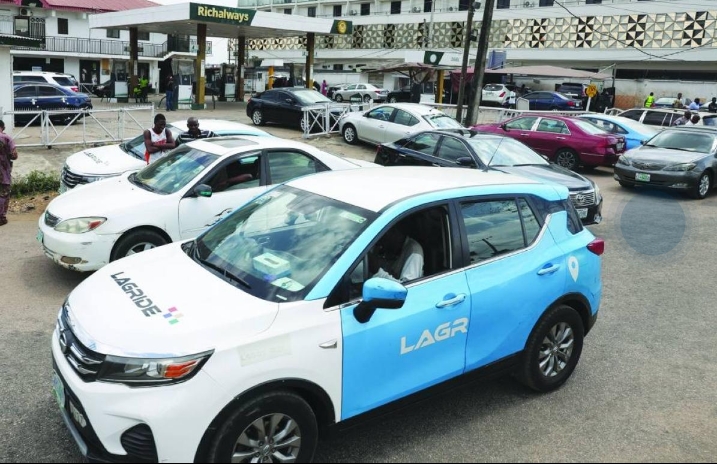
1. Lagos – ₦900.19 billion
Nigeria’s economic powerhouse retained its position as the most indebted state, though it reduced its liabilities by 14.16% from ₦1.05 trillion in 2023.
Backed by an annual IGR exceeding ₦500 billion, Lagos continues to drive megaprojects while adopting PPPs and concession-based financing to limit direct borrowing.
2. Rivers – ₦364.39 billion
Rivers recorded the highest debt increase of the year—up 56.67% from ₦232.58 billion—largely due to capital expansion and post-election project execution.
Despite boasting an IGR-to-operating-expense ratio of 121%, analysts warn of repayment risks if economic returns lag.
#RiversState #CapitalProjects #DebtWatch
3. Ogun – ₦211.86 billion
Ogun slashed its debt by nearly 24%, driven by rising IGR (₦240 billion projection) and refinancing of high-interest legacy loans.
Its focus on digital revenue systems and economic diversification continues to yield fiscal benefits.
#OgunState #RevenueGrowth #DebtReduction
4. Delta – ₦199.58 billion
Delta saw a remarkable 46.55% debt drop, one of the largest in Nigeria.
The reduction was fueled by over ₦130 billion in repayments and a strategic pivot to project-tied concessional loans.
5. Bauchi – ₦143.95 billion
With a 10.48% drop, Bauchi’s “Budget of Consolidation” focused on completing existing projects and leveraging federal grants instead of new loans.
Stringent legislative scrutiny of spending also helped curb unnecessary borrowing.
6. Niger – ₦140.74 billion
Niger’s debt grew by just 0.67%, maintaining stability as the state tapped previously approved facilities for ongoing infrastructure works.
Its debt strategy favors low-interest concessional loans over commercial borrowing.
7. Imo – ₦126.14 billion
Imo achieved a dramatic 41.90% reduction, largely through revenue reforms, digital tax systems, and restructured loans.
IGR rose from ₦400 million in 2020 to nearly ₦4 billion in 2025, drastically reducing its borrowing needs.
8. Benue – ₦122.57 billion
Benue slashed its debt by 34.51%, a result of improved fiscal prudence and alignment with national debt sustainability goals.
The state also embraced expenditure control and IGR growth to limit loan dependency.
9. Akwa Ibom – ₦122.19 billion
A sharp 35.85% drop in debt reflects Akwa Ibom’s use of increased oil revenue from the 13% derivation fund and tight budget controls.
The state continues to prioritize repayment over expansion.
10. Enugu – ₦119.28 billion
Enugu stands out as one of the few states with a 29.36% increase in debt, spurred by its bold ₦521.5 billion budget, targeting massive infrastructure investments.
While the state hopes to spark “Disruptive Economic Growth,” experts urge caution over sustainability and transparency.
📊 State-Level Debt Summary: A Nation Restructuring
In total, Nigeria’s 36 states cut their domestic debt stock by over ₦1.89 trillion, the steepest annual drop in years. Key factors behind this decline include:
-
Tighter fiscal discipline and debt repayment strategies
-
A shift from high-interest loans to project-linked concessional funding
-
Greater use of PPP models and donor financing
-
Naira depreciation discouraging foreign currency-denominated debt
⚠️ Key Takeaways for Policymakers & Investors
-
Seven of the top 10 most indebted states reduced debt—a strong signal of responsible fiscal governance.
-
Lagos, Ogun, and Delta are leading examples of strategic borrowing linked to economic performance.
-
Rivers and Enugu, though fiscally strong, face questions about long-term debt sustainability.
-
For investors and lenders, tracking state debt profiles is critical to assessing Nigeria’s subnational creditworthiness.
🧠 What This Means for Nigeria
As the country grapples with macroeconomic reforms, debt management at the state level will remain a barometer for fiscal health. The trend toward sustainable borrowing, strategic planning, and revenue generation must continue for Nigeria’s economic stability and inclusive growth.
Comments (0)
No comments yet. Be the first to join the conversation!
Leave a Reply
Your email address will not be published. Required fields are marked *