
Bauchi State Governor Scraps Right-of-Way Charges To Boost Broadband Expansion
Governor Bala Mohammed has approved zero right-of-way charges for broadband deployment across Bauchi State, a move aimed at attracting telecommunications investment, expanding internet access and accelerating digital connectivity.
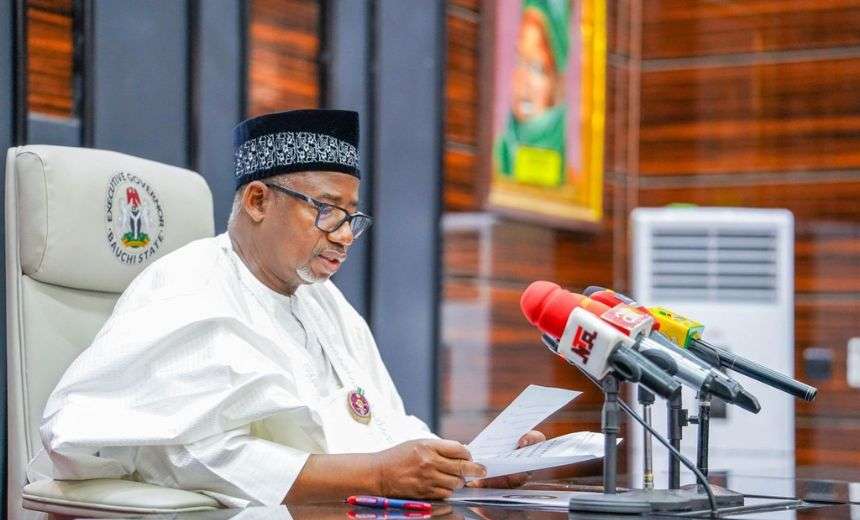
Bauchi State Governor, Bala Mohammed, has approved a zero right-of-way (RoW) charge policy for broadband deployment across the state as part of efforts to attract telecommunications investment and expand internet access.
The policy is expected to reduce the cost of deploying broadband infrastructure, potentially encouraging telecommunications operators and internet service providers (ISPs) to extend their networks to more communities across the state.
Governor Mohammed has also called on telecommunications companies and internet service providers to invest in Bauchi, assuring them of a favourable environment to establish and expand their operations.
The decision aligns with broader efforts to improve Nigeria’s digital infrastructure by addressing the cost barriers associated with laying fibre-optic cables and deploying other broadband facilities.
Right-of-way charges are fees imposed by government authorities for the use of public land, roads and other designated corridors for telecommunications infrastructure.
Reducing or eliminating these charges can lower some of the costs operators face when expanding their networks.
For Bauchi State, the zero-charge policy could make broadband deployment more attractive to investors, particularly where infrastructure costs have limited the commercial viability of extending services to underserved communities.
Improved broadband access could also support digital entrepreneurship, online education, financial technology services, e-commerce and the delivery of government services.
However, the policy's overall impact will depend on its implementation, operators' investment decisions and the availability of supporting infrastructure, including reliable electricity and fibre-optic connectivity.
The extent to which the initiative improves internet access will ultimately be measured by new infrastructure deployed, communities connected, service affordability and the quality of connectivity available to residents and businesses.
WHY IT MATTERS
Bauchi's decision addresses one of the potential cost barriers to broadband infrastructure deployment. By removing right-of-way charges, the state is seeking to encourage telecommunications operators to invest in expanding connectivity.
For residents, businesses and entrepreneurs, increased broadband coverage could create opportunities for digital trade, remote work, online learning and access to digital financial services.
The policy also highlights the role state governments can play in advancing Nigeria's digital economy by creating conditions that encourage private-sector investment in telecommunications infrastructure.
For the policy to deliver lasting benefits, lower deployment costs must translate into actual network expansion, affordable internet services and improved connectivity across urban and rural communities.


Comments (0)
No comments yet. Be the first to join the conversation!
Leave a Reply
Your email address will not be published. Required fields are marked *