
Data Localisation Not Enough: Nigeria Needs Indigenous Tech Capacity, AI Readiness – Stakeholders
Stakeholders at the TechTV Digital Economy & Energy CEO Roundtable 2026 urge Nigeria to move beyond data localisation by investing in indigenous technology, AI capabilities and critical digital infrastructure to strengthen national digital sovereignty.

Nigeria must look beyond the physical storage of data within its borders and prioritise indigenous technology development, artificial intelligence (AI) readiness and stronger digital infrastructure if it hopes to achieve meaningful digital sovereignty, industry leaders and government representatives have said.
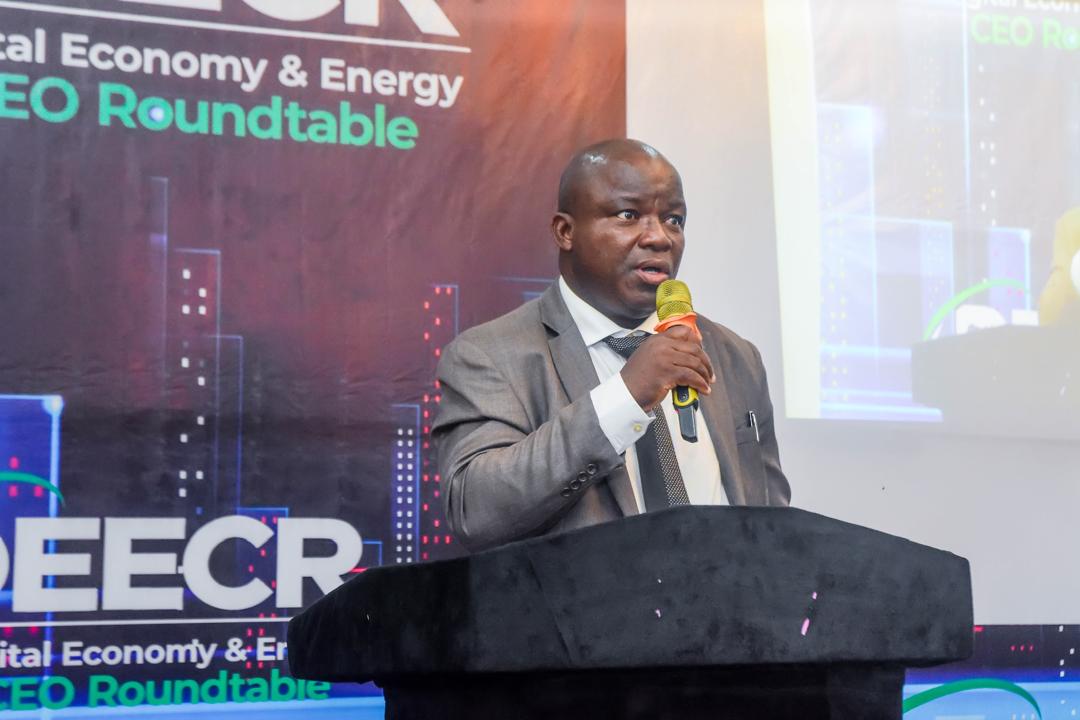
The stakeholders made the call at the TechTV Digital Economy & Energy CEO Roundtable 2026, held at the Oriental Hotel, Lagos, where discussions focused on Nigeria's preparedness for the January 1, 2027 payment data localisation deadline and the country's broader digital economy ambitions.
In his keynote address, delivered by a representative, the Director-General of the National Information Technology Development Agency (NITDA), Kashifu Inuwa, described data localisation as a starting point for building a resilient digital economy rather than an end in itself.
"Data localisation is not a finish line; it is a starting block," he said, warning that localisation without artificial intelligence readiness would amount to little more than changing the geographical location of data.
Inuwa stressed that Nigeria must develop the infrastructure, technical expertise and indigenous capabilities required to transform locally stored data into economic value, support innovation and strengthen its control over critical digital systems.
He explained that digital sovereignty should not mean isolating Nigeria from global technology providers but developing sufficient domestic capacity to retain strategic control, improve resilience and make independent technology choices.
He identified the Federal Government's Project BRIDGE, designed to deploy approximately 90,000 kilometres of open-access fibre-optic infrastructure, as a major intervention in expanding connectivity and accelerating the country's digital transformation.
He also highlighted the importance of reliable electricity for data centres, cloud computing and high-performance computing facilities, noting that Nigeria's artificial intelligence ambitions would remain difficult to achieve without adequate energy infrastructure.
Local Technology Ownership Critical to Digital Sovereignty
President of the Institute of Software Practitioners of Nigeria (ISPON), James Agada, reinforced the need to translate data localisation into indigenous technological capacity, warning that keeping data within Nigeria does not automatically guarantee technological independence.
He explained that foreign technology companies could establish servers in Nigerian data centres and meet physical data localisation requirements without transferring intellectual property, technical knowledge or meaningful technological control to local businesses.
"We need to understand what we want to achieve with the policies we make. Data localisation is different from digital sovereignty, sovereign cloud and data sovereignty," Agada said.
He urged the government to introduce policies that encourage local software development, intellectual property ownership and the growth of Nigerian technology companies capable of competing in international markets.
According to him, Nigeria should welcome foreign investment while ensuring that technology partnerships strengthen domestic expertise rather than create long-term dependence on external providers.
Financial Inclusion Must Deliver Real Economic Benefits
Meanwhile, Dr. Nurudeen Abubakar Zauro, Technical Adviser to President Bola Tinubu on Economic and Financial Inclusion, said Nigeria must ensure that digital transformation translates into improved financial wellbeing for ordinary citizens.
He disclosed that approximately 71 per cent of Nigerians were financially included, compared with a global average of about 73 per cent.
However, only about 25 per cent of financially included Nigerians demonstrated adequate financial health.
Zauro also revealed that approximately 64.4 per cent of Nigerians use digital financial services, while only about 10 per cent have access to formal credit.
He argued that financial inclusion must go beyond opening bank accounts to providing reliable access to credit, affordable digital services and opportunities for meaningful economic participation.
He identified digital identity, reliable internet connectivity, electricity, digital literacy and efficient payment infrastructure as essential foundations for an inclusive digital economy.
The presidential adviser further emphasised consumer protection and trust, warning that failed transactions, poor connectivity and financial fraud could discourage low-income earners and small businesses from adopting digital payment services.
Police Seek Stronger Digital Investigation Capacity
Adding a national security dimension to the discussions, the Inspector-General of Police, Tunde Disu, represented by Assistant Inspector-General of Police Simeon Udeme, called for increased investment in digital forensics, cybersecurity and secure data management.
He noted that modern policing increasingly depends on technology-driven investigations, particularly as criminal activities become more sophisticated through digital platforms.
Udeme stressed the importance of equipping police investigators with the capacity to generate, authenticate, examine and securely store electronic evidence, while strengthening collaboration with the judiciary to ensure such evidence meets legal requirements.
He also advocated stronger partnerships among the police, financial institutions, telecommunications operators and technology companies to improve intelligence gathering, information sharing and cybercrime prevention.
Similarly, President of the Association of Telephone, Cable TV and Internet Subscribers of Nigeria, Hon. Prince (Amb.) Shina Bilesanmi, urged industry stakeholders to ensure that consumers directly benefit from technological advancement through affordable services, improved connectivity and better service quality.
The discussions reinforced a common position among stakeholders: Nigeria's 2027 digital economy ambitions will depend not merely on where data are stored, but on its capacity to develop indigenous technologies, secure critical infrastructure, strengthen institutions and ensure that digital services deliver measurable economic benefits to citizens.
Why It Matters
Nigeria's January 1, 2027 payment data localisation deadline presents an opportunity to rethink the country's digital independence. But storing data locally is only one part of the equation. Without indigenous technology ownership, skilled professionals, reliable electricity, secure infrastructure and local innovation, Nigeria risks hosting digital infrastructure without controlling the technology that powers it.

Comments (0)
No comments yet. Be the first to join the conversation!
Leave a Reply
Your email address will not be published. Required fields are marked *