NCC Moves to Block Fake Phones, Modems and PoS Terminals From Nigerian Networks
New device verification system targets counterfeit, cloned and unapproved equipment, as telecom regulator introduces a USSD service to help consumers verify device compliance.
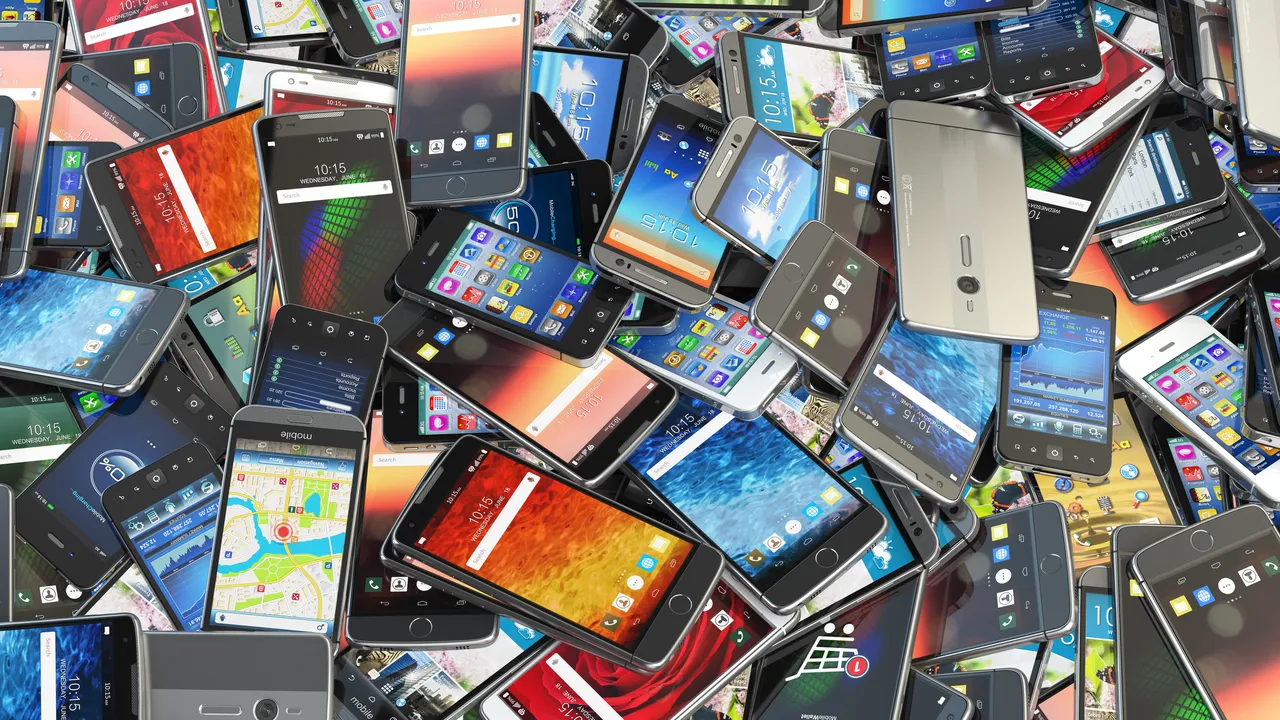
The Nigerian Communications Commission (NCC) has commenced electronic verification of SIM-enabled devices to identify and prevent counterfeit, cloned and non-compliant phones, modems, tablets and Point-of-Sale (PoS) terminals from accessing telecommunications networks in Nigeria.
The initiative forms part of the commission’s enhanced Type Approval Compliance framework, which took effect on October 7, 2026, to strengthen device authentication, protect consumers and improve the reliability of telecommunications services.
Speaking at a news conference on the commission’s technical standards and network integrity initiatives in Abuja on Tuesday, October 13, Edoyemi Ogoh, Director of Technical Standards and Network Integrity at the NCC, said the framework would enable the regulator to verify devices against its approved technical standards.
According to the commission, the system will help identify fake, cloned and unapproved equipment while strengthening oversight of devices imported, distributed, sold and used across the country.
The framework also covers SIM-enabled laptops, cellular tablets and other communications equipment designed to connect to Nigerian mobile networks.
NCC Registers 231 Million Devices
The commission disclosed that approximately 231 million telecommunications devices had already been registered across Nigeria.
Ogoh said devices already in stock were being onboarded into the system, while equipment imported into the country going forward would be subject to the appropriate verification and authentication requirements.
The initiative builds on the NCC's Type Approval Business Rules introduced in August 2024 and consultations with manufacturers, importers, dealers, telecommunications operators, government agencies and industry associations.
The commission has also collaborated with the Nigeria Customs Service and other stakeholders to strengthen compliance throughout the device supply chain.
Under Section 132(2) of the Nigerian Communications Act 2003, communications equipment intended for sale or use in Nigeria must obtain the required regulatory type approval.
The NCC said effective enforcement would help prevent non-compliant devices from connecting to mobile networks and address equipment-related challenges that can affect network performance.
How Consumers Can Check Their Devices
To help consumers make informed purchasing decisions, the NCC has introduced a Device Checker service that allows users to verify whether a device has received the required type approval and is verified for use on Nigerian mobile networks.
Consumers can check device compliance by dialling *315# or visiting the commission's official Device Checker portal.
The regulator has advised Nigerians to verify the status of devices before purchasing them, particularly second-hand phones and equipment acquired from unfamiliar sellers.
Consumers may need the device's 15-digit International Mobile Equipment Identity (IMEI) number to check certain devices.
The IMEI can be displayed by dialling *#06# on most mobile phones.
The commission clarified that devices already connected to Nigerian networks before the system took effect on October 7, 2026, were automatically verified, meaning existing users generally do not need to take any action.
However, consumers encountering verification restrictions should follow the official Device Checker instructions or contact their service provider or the NCC for assistance.
NCC Assures Nigerians of Data Privacy
Addressing concerns about privacy, the commission said the verification system was designed for regulatory compliance and device identification, not surveillance.
According to the NCC, the platform uses device identification information, including IMEI numbers, to establish compliance with type approval requirements. It does not give the commission access to users' personal content, including photographs, messages, contacts, financial information or stored files.
The regulator also said the system does not enable it to monitor the content of personal communications.
The commission urged manufacturers, importers, dealers, telecommunications operators and consumers to cooperate with the initiative, stressing that compliance with technical standards is essential to consumer protection and the integrity of Nigeria's telecommunications infrastructure.
Why It Matters
The initiative marks a significant step towards tightening regulatory oversight of Nigeria's mobile device market. By making it easier to identify counterfeit and non-compliant equipment, the NCC aims to protect consumers, discourage the circulation of substandard devices and improve confidence in the country's telecommunications ecosystem.
DEVICE CHECK:
Dial *315# or visit the NCC's official Device Checker portal before purchasing a phone or other SIM-enabled device.


Comments (0)
No comments yet. Be the first to join the conversation!
Leave a Reply
Your email address will not be published. Required fields are marked *