
Microsoft, Nvidia CEOs Unveil AI-Powered Surface Laptop Ultra at San Francisco Event
Microsoft CEO Satya Nadella and Nvidia CEO Jensen Huang have unveiled the new Surface Laptop Ultra, a high-performance AI-powered device designed to run advanced AI workloads locally, signalling a major shift toward on-device artificial intelligence and the next generation of Windows computing.
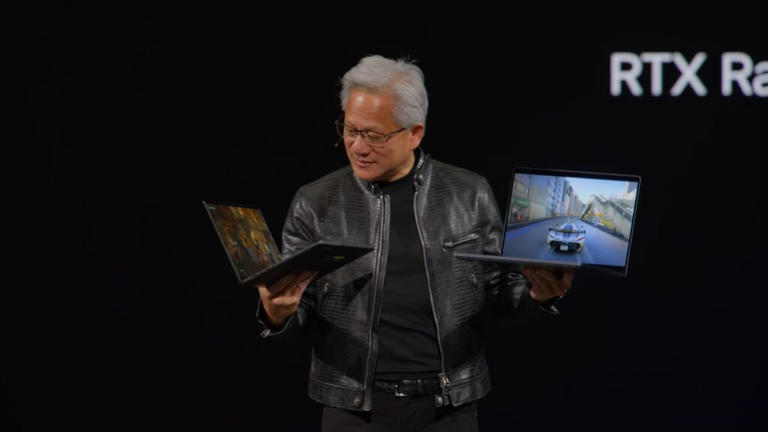
Microsoft and Nvidia have taken another significant step in the evolution of artificial intelligence-powered computing, unveiling the new Surface Laptop Ultra at a high-profile event in San Francisco led by Microsoft CEO Satya Nadella and Nvidia CEO Jensen Huang.
The launch underscores a growing industry shift toward running advanced AI capabilities directly on personal computers rather than relying exclusively on cloud-based infrastructure. At the heart of the new device is Nvidia's RTX Spark platform, which enables powerful AI processing on Windows machines and positions the Surface Laptop Ultra as a flagship product for the emerging era of local AI computing.
Microsoft has described the initiative as part of its broader vision for the future of Windows, where AI agents can assist users with complex tasks such as software development, research, business analysis and workflow automation directly from their devices. The objective is to reduce dependence on remote cloud resources while delivering faster performance, improved responsiveness and greater control over data.
The unveiling represents the culmination of years of collaboration between Microsoft and Nvidia aimed at bringing enterprise-grade AI capabilities to mainstream personal computing. Industry analysts view the move as a strategic effort by Microsoft to shift a portion of AI workloads away from costly cloud environments and onto increasingly powerful PCs.
For Nvidia, the launch marks an important expansion beyond its dominant position in AI data centres. By integrating RTX Spark technology into Windows devices, the company is targeting a PC market historically controlled by Intel and AMD while extending its influence across the next generation of AI-enabled hardware.
The event also highlighted Microsoft's vision for what it calls the next chapter of personal computing one where AI becomes deeply integrated into the operating system and everyday workflows. Executives outlined a future in which developers, enterprises and consumers can deploy sophisticated AI models locally, enabling advanced productivity, coding assistance, content creation and decision-support capabilities without requiring continuous cloud connectivity.
However, industry observers note that challenges remain. The increasing cost of high-performance memory and AI hardware has raised concerns about affordability, potentially limiting access to the most advanced AI computing experiences. Analysts also point to the need for robust security frameworks to ensure AI agents operating on personal devices remain secure and properly controlled.
The launch comes amid intensifying competition across the technology industry as Microsoft, Nvidia, Apple and other major players race to define the future of AI-powered personal computing. The focus is increasingly shifting from cloud-only AI models toward hybrid environments where users can run powerful AI applications directly on laptops and desktops.
As AI continues to reshape the technology landscape, the Surface Laptop Ultra may serve as an early indicator of how future PCs will be designed—combining high-performance hardware, intelligent software and local AI capabilities to deliver a more autonomous and powerful computing experience.
For Microsoft and Nvidia, the message from San Francisco was clear: the next major battleground in artificial intelligence is no longer confined to the cloud—it is moving directly onto the personal computer.





Comments (0)
No comments yet. Be the first to join the conversation!
Leave a Reply
Your email address will not be published. Required fields are marked *